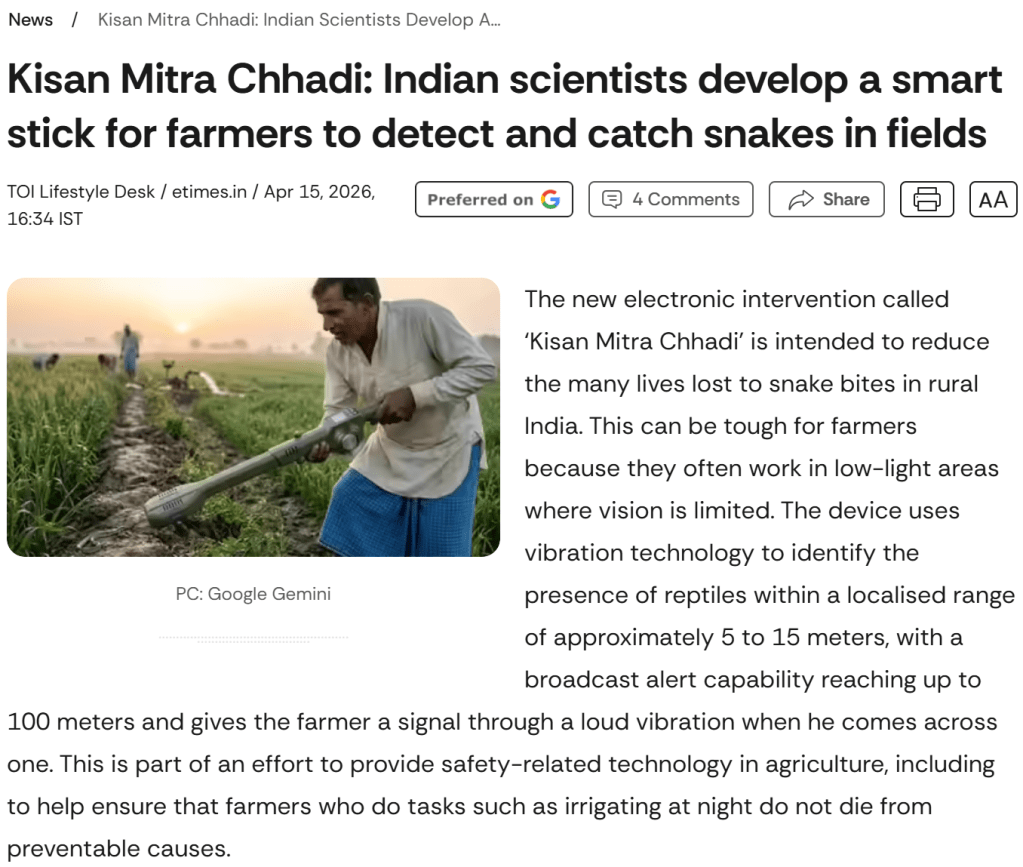
Every few years, we seem to produce the same kind of snakebite “solution” in a new costume. A gadget, a stick, a device, a clever little contraption unveiled with the kind of optimism usually reserved for things that have actually been tested. The story is always familiar: a dangerous real-world problem, a dramatic claim, a flurry of approving coverage, and the faint but persistent suggestion that science has now entered the chat and sorted everything out.
The latest entrant is the so-called Kisan Mitra Chhadi, a “smart” stick being promoted as a way to help farmers detect snakes in fields and avoid bites. Which would, of course, be very useful — if it were true in the way such headlines want readers to believe it is. The difficulty begins early. Public reporting around the device is already inconsistent. One version talks about detection within 5 to 15 metres. Another stretches things to 100 metres. Elsewhere the language drifts between detecting, alerting, protecting, and in some places practically implies some sort of anti-snake wizardry on a stick. One would imagine that if human safety is the theme, the claim should at least manage the dignity of remaining the same from one report to the next. It has not.
That is before one gets to the mildly inconvenient matter of evidence. What exactly is this device detecting? By what mechanism? Under what field conditions? Dry soil, wet soil, dense vegetation, irrigation lines, crop cover, darkness, movement from frogs, rodents, or any number of other things that actual fields tend to contain? Which species? At what range in real-world conditions rather than on a demonstration table where everything behaves nicely for the cameras? What is the false-positive rate? What is the false-negative rate? Has it been independently field-tested? Or are we once again being asked to admire the concept first and worry about whether it works after somebody has already written the headline?
This is where the whole thing stops being merely silly and starts becoming dangerous in that peculiarly Indian way: through misplaced confidence delivered with great sincerity. Because the real danger of such devices is not only that they may fail. It is that they may work beautifully in the imagination. A person who believes a gadget is keeping them safe becomes just a little less cautious. Just a little less alert. Just a little more willing to trust the miracle stick over old-fashioned habits such as watching where one steps and not outsourcing survival to a battery-operated press release. In snakebite prevention, that small drop in caution is sometimes all it takes. WHO-linked guidance and Indian public-health advice do not revolve around magical devices for a reason. They emphasise visibility, protective footwear, sensible movement, avoiding handling, and getting a bitten person to treatment quickly. How terribly unglamorous of them.
That, incidentally, is what serious work on snakebite looks like. India’s National Action Plan for Prevention and Control of Snakebite Envenoming is built around surveillance, treatment systems, antivenom access, awareness, and health-system capacity. In other words, the people dealing with actual snakebite as an actual public-health issue have somehow resisted the temptation to solve it with a dramatic stick and a hopeful mood board. Snakebite is not a branding exercise. It is not an innovation fair category. It is a major medical problem, which is precisely why the grown-up conversation around it looks boring, practical, and stubbornly evidence-based.
And none of this is even new. India has seen earlier versions of the same anti-snake gadget fantasy. In 2018, there was the “Snake Guard”, another walking-stick-type device promoted as a farmer-friendly way to keep snakes away using vibration or ultrasonic principles. Then came newer “smart” trapping and AI-linked snake devices dressed up as the next leap forward. Every few years, the packaging gets updated, the confidence is recharged, and someone somewhere decides the ancient and complicated business of not getting bitten by a snake has finally met its match in consumer electronics. It would be charming if it were not aimed at people whose lives are not available for beta testing.
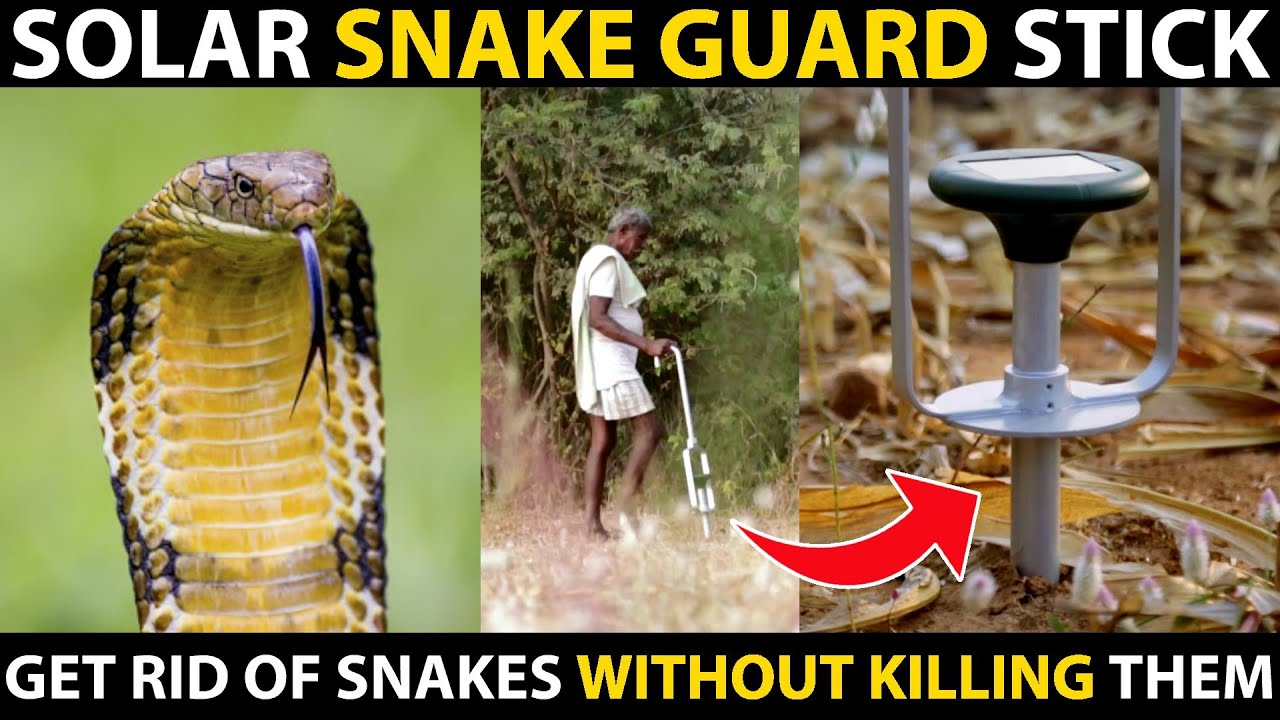
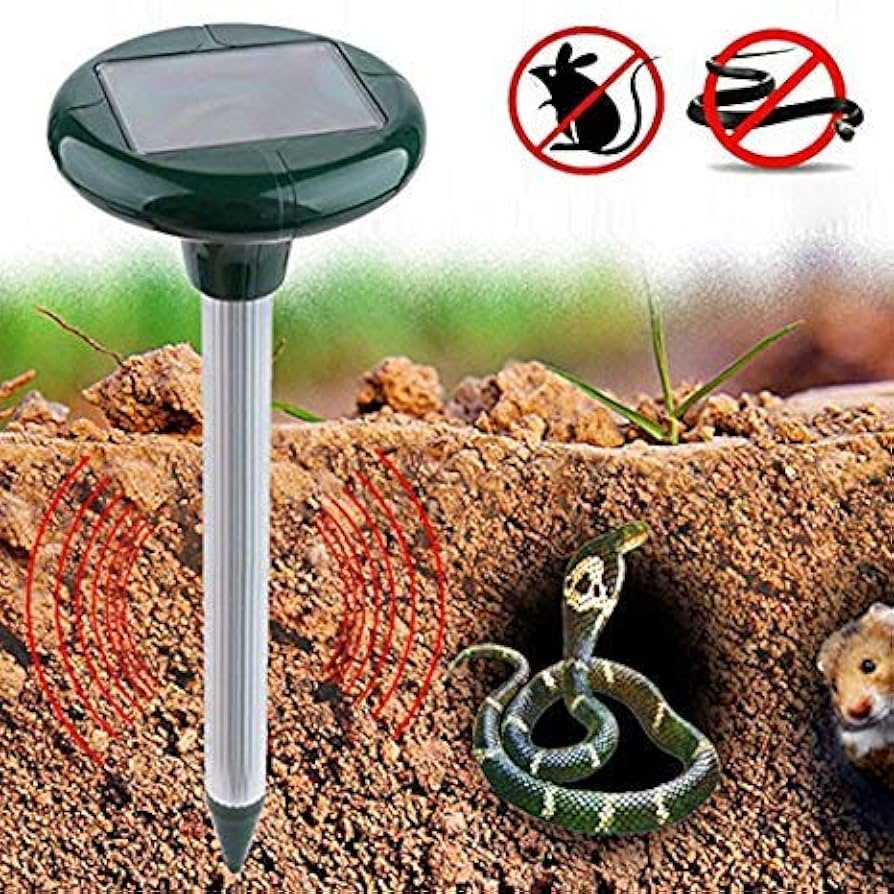
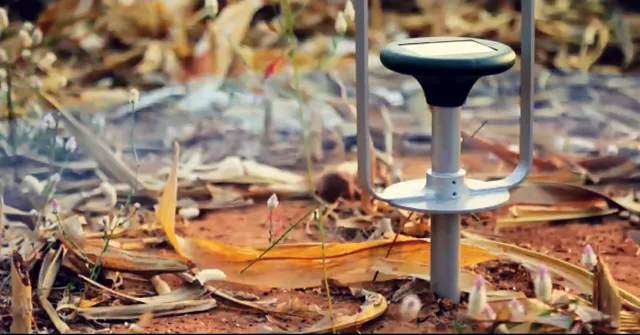
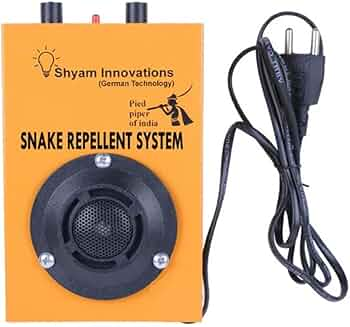
Same same but different.
This is where one has to say something unfashionable: not every invention deserves applause simply because it exists. A prototype is not a solution. A demonstration is not validation. A news report is not evidence. And a device does not become a safety tool because it was photographed next to a person looking pleased with it. If something is going to be promoted to farmers as a meaningful aid in avoiding dangerous snake encounters, then the standard has to be far higher than this. It needs proper real-world testing, clear limitations, independently verifiable performance, transparent failure rates, and honest communication about what it cannot do. Without that, one is not looking at a proven intervention.
The larger problem, of course, is that this sits quite comfortably within India’s flourishing ecosystem of snake-related rubbish. Some of it arrives wearing a lab coat: ultrasonic repellents, vibration devices, smart trapping systems, miracle perimeter gadgets, and assorted contraptions promising to detect, repel, or otherwise embarrass snakes into cooperating with human expectations. Some of it arrives wrapped in folk certainty: black stones, cuts, suction, tourniquets, powders, sulphur, onions, smoke, oils, herbs, and the usual graveyard of ideas that refuse to die no matter how many people they help endanger. Some of it comes packaged as masculine enthusiasm, where an ordinary person armed with a stick and misplaced confidence decides that this is now a snake handling situation. Different costume, same underlying stupidity. All of it distracts from what actually reduces risk.
And what reduces risk is not mysterious. It is just not sexy enough for a headline. Use proper footwear in risk-prone areas. Use a torch at night. Watch where you place your hands and feet. Do not step into poor visibility casually. Reduce rodent-attracting clutter around homes and work areas. Do not try to catch or kill snakes. Do not pick one up merely because it looks dead and has, for the moment, lost interest in appearing alive. If there is a bite, do not waste time with theatre. No cutting, no sucking, no ritual nonsense, no home-grown venom extraction fantasies, no detours into heroism. Immobilise, transport, treat. It lacks the drama of gadgets and folklore, which is probably why it has the unfortunate habit of being correct.
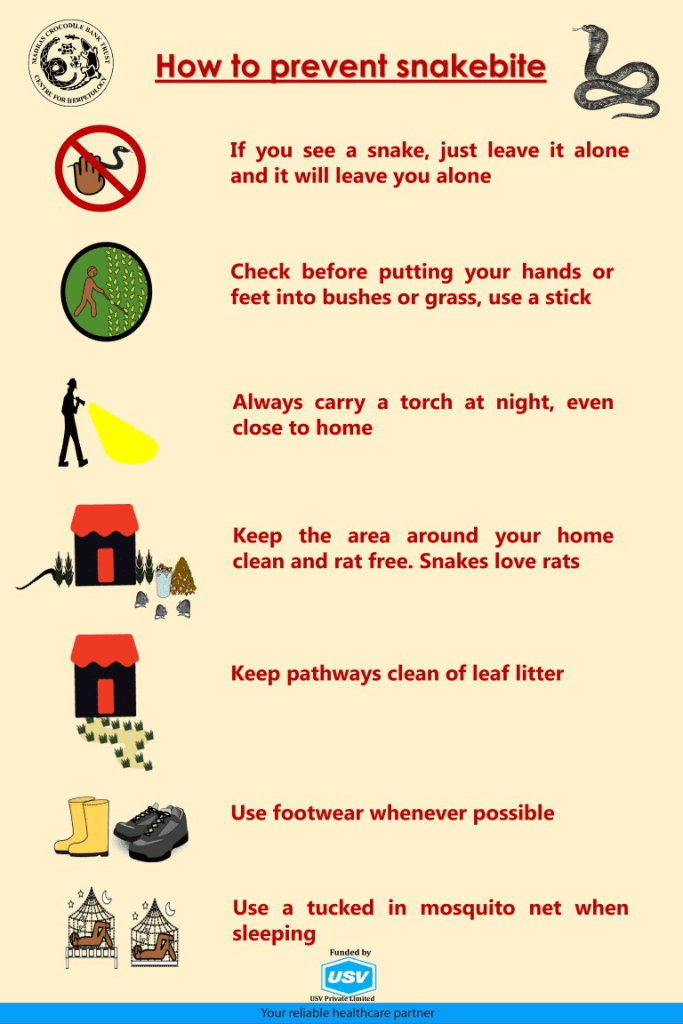
A simple reminder of what real snakebite prevention actually looks like: awareness, caution, visibility, footwear, and basic habitat management.
Educational poster by Madras Crocodile Bank Trust, India.
To be clear, this is not an argument against innovation. Useful tools are welcome. Better research is welcome. Smarter interventions are welcome. But then let them survive contact with reality first. Let them be tested properly, independently, and under the dirty, uneven, inconvenient conditions in which snakebites actually happen. Let them earn credibility the hard way.
Snakebite prevention does not need more theatre. It needs better awareness, better field practices, better access to treatment, and a much lower tolerance for rubbish dressed up as innovation. Until a device like this is independently tested, transparently validated, and proven under real field conditions, calling it a safety solution is not innovation. It is a dangerous sham.


Leave a Reply