WildRoost India
Welcome to WildRoost, a science-led resource platform dedicated to advancing how animals are cared for, managed, and understood.
From domestic and exotic pets to zoo animals, wildlife rehabilitation, and human–wildlife interaction, WildRoost brings together practical knowledge rooted in evidence, field experience, and evolving best practices.
This is not a collection of generic advice. It is a working knowledge base built on the understanding that animal care is dynamic — and that responsible practices must continually adapt to new research, better systems, and real-world constraints.
Science-led Animal Care Resources
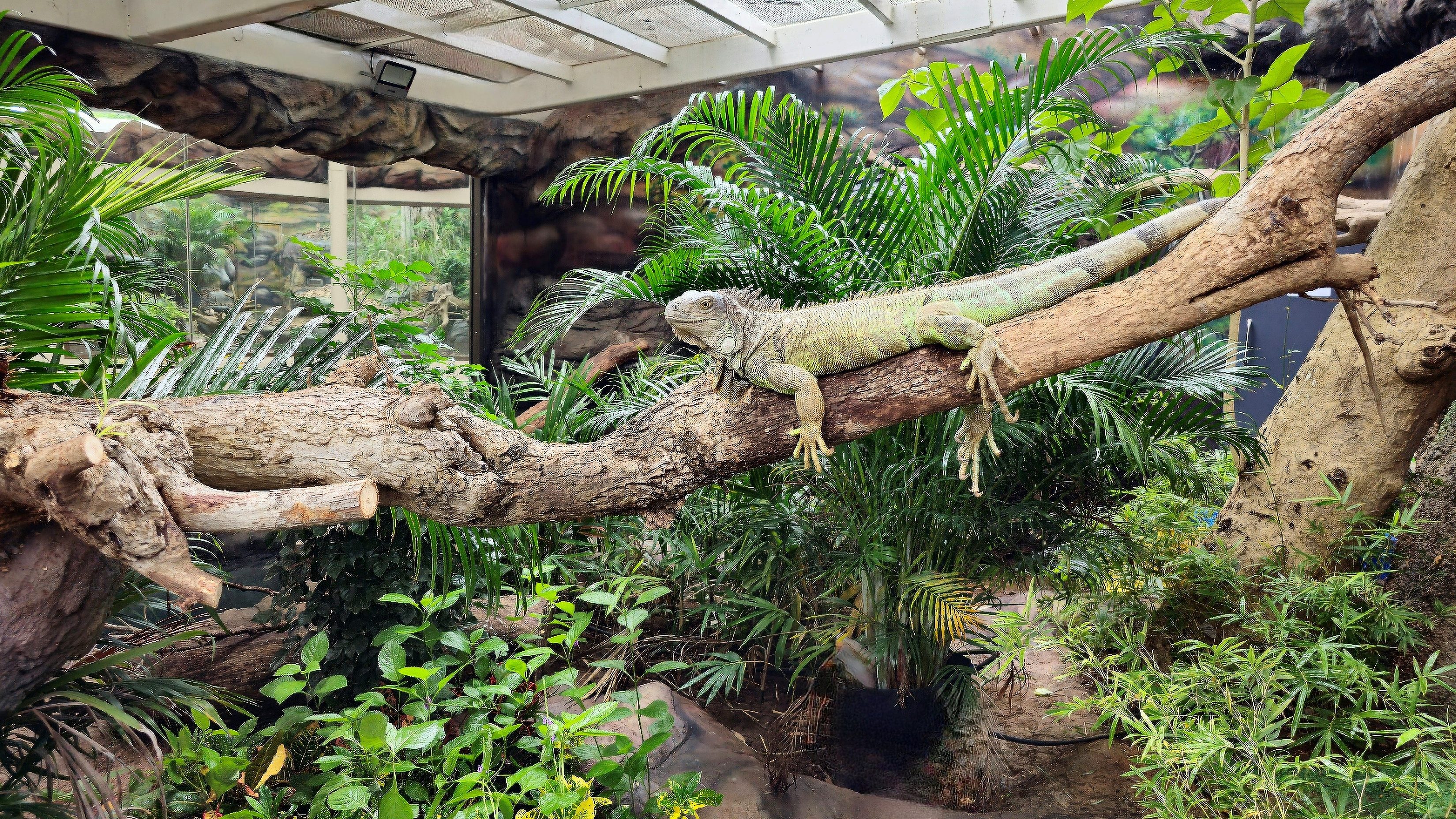
Animal care does not stand still. What was considered acceptable even a decade ago may now be outdated or inadequate.
At WildRoost, we focus on:
- Evidence-based husbandry and management
- Behavioural understanding and welfare-driven care
- Enclosure design and environmental optimisation
- Nutrition, enrichment, and species-specific requirements
- Practical solutions grounded in real-world conditions
Our approach is to bridge the gap between scientific knowledge and everyday application — whether in a home setup, a zoo environment, or a rehabilitation facility.
Evidence-Based Husbandry and Management
Good animal management is not built on assumptions, trends, or branding — it is built on verifiable knowledge and thoughtful execution.
The content on WildRoost is informed by:
- Current scientific research and published literature
- Field-based experience across diverse animal systems
- Captive management practices from modern zoological institutions
- Observational insights from real-world animal care scenarios
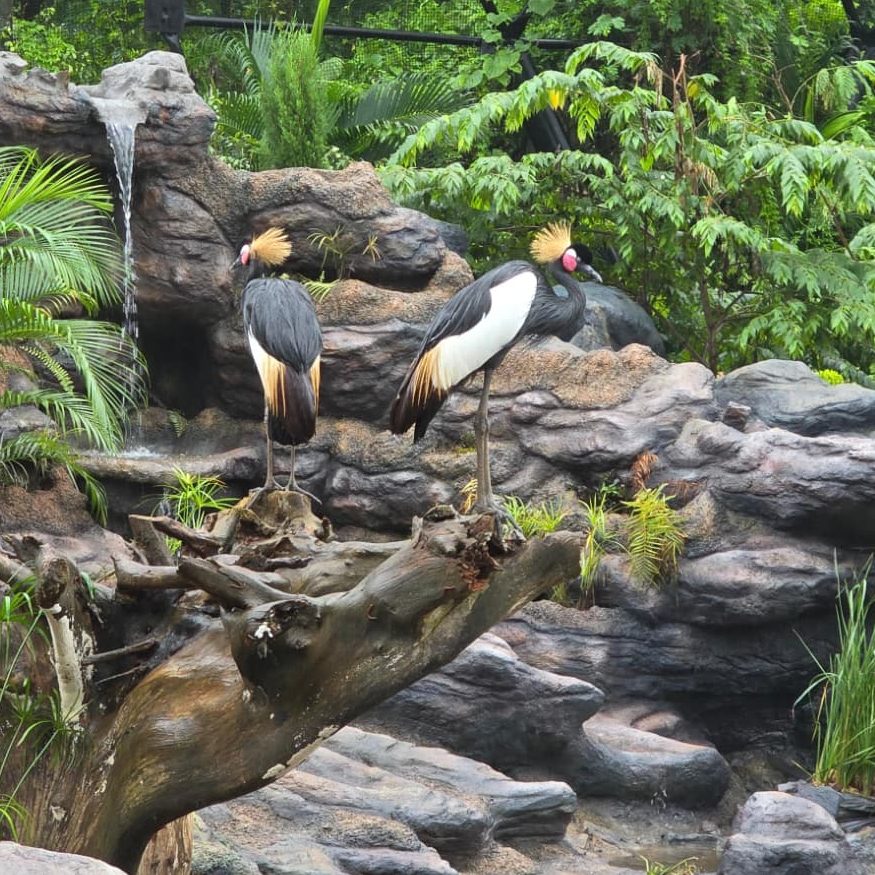
Who WildRoost Serves
WildRoost is designed for individuals and professionals who engage with animals beyond a superficial level.
This includes:
- Pet owners seeking responsible and informed care practices
- Exotic animal keepers navigating specialised husbandry
- Zoo professionals and animal managers
- Wildlife rehabilitators and conservation practitioners
- Students and enthusiasts interested in animal behaviour, welfare, and management
Whether the setting is domestic, institutional, or wild, the objective remains the same — to improve how animals are kept, managed, and understood.
Whether you are a seasoned animal keeper or a budding enthusiast, our website is a go-to resource for all things animal care.
RECENT ARTICLES
Congratulations on the Beautiful Enclosure. Now, Where Is the Zoo?
Why zoo design must begin with logic, operations and integration – long before the first glamorous rendering Soham Mukherjee I have now seen this happen often enough to recognise the ritual. A new zoo has to be planned, or an existing zoo has to be redesigned. A meeting is called. Before anyone has fully agreed on what the institution is meant to achieve, somebody is…
Keep reading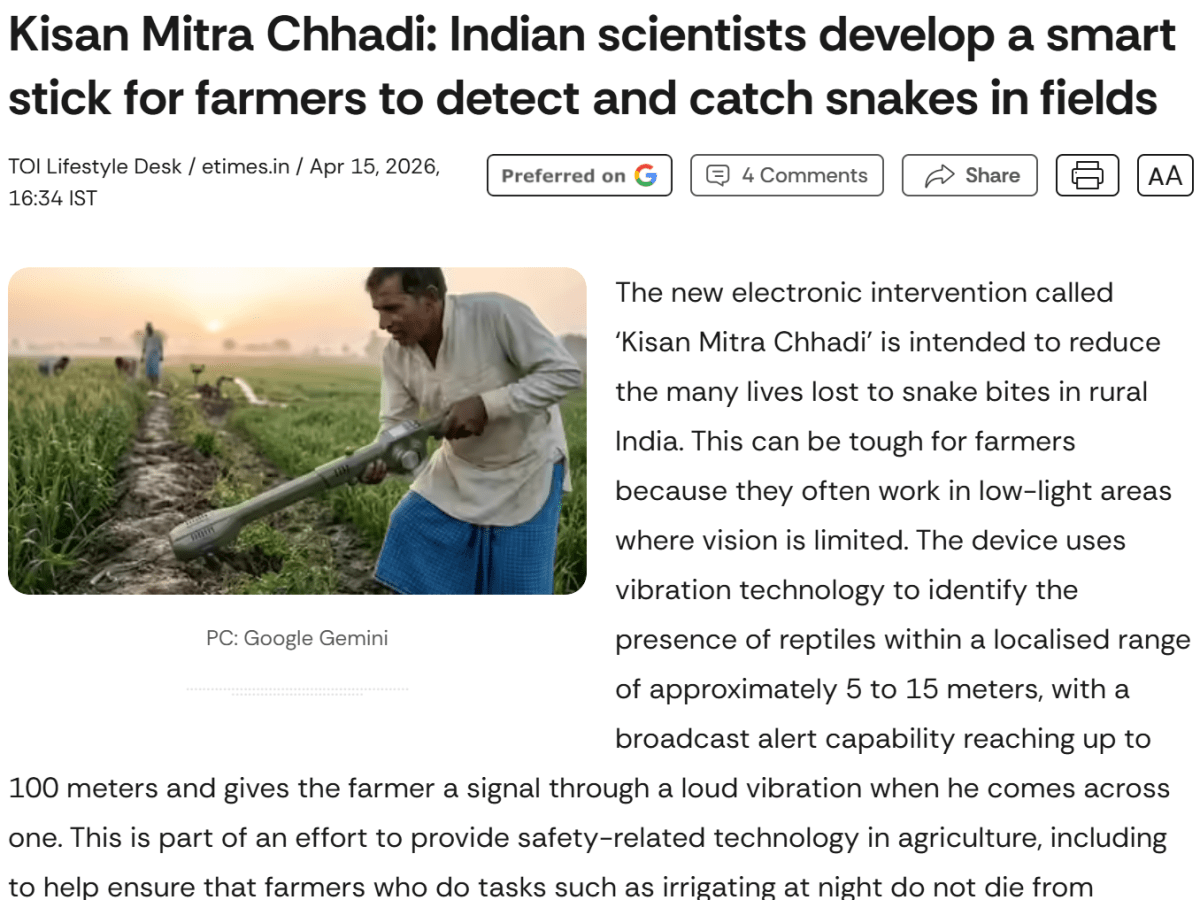
Smart stick, shaky science: yet another snakebite gimmick India did not need
Every few years, we seem to produce the same kind of snakebite “solution” in a new costume. A gadget, a stick, a device, a clever little contraption unveiled with the kind of optimism usually reserved for things that have actually been tested. The story is always familiar: a dangerous real-world problem, a dramatic claim, a flurry of approving coverage, and the faint but persistent suggestion…
Keep reading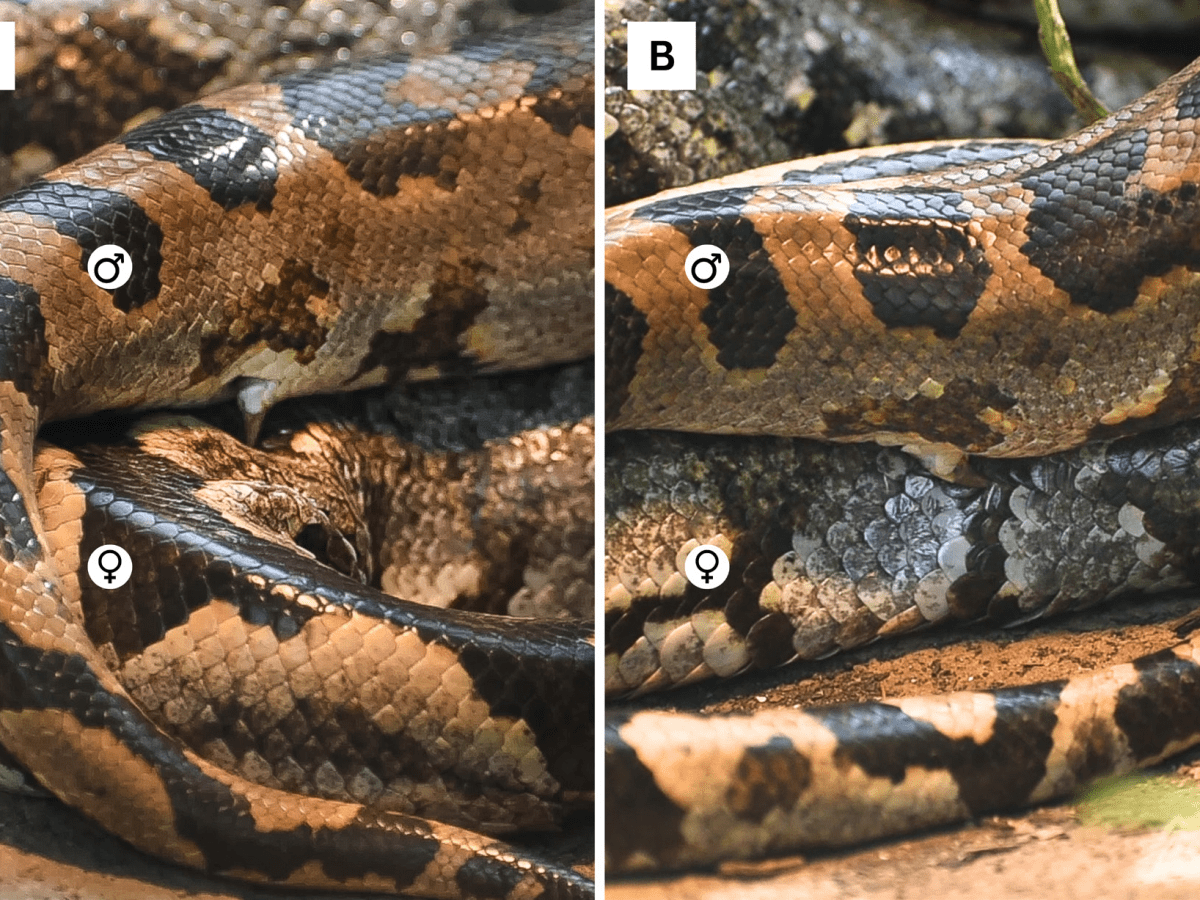
Understanding Python Mating: The Role of Pelvic Spurs
If you ever need a reminder that snakes have a sense of drama, spend a breeding season watching a male python pursue a female twice his size. For all our talk about reptiles being “cold” or “simple,” nothing about their courtship behaviour is either of those things. And recently, inside the Indian Rock Python enclosure at Sardar Patel Zoological Park (Ekta Nagar, India), one male…
Keep reading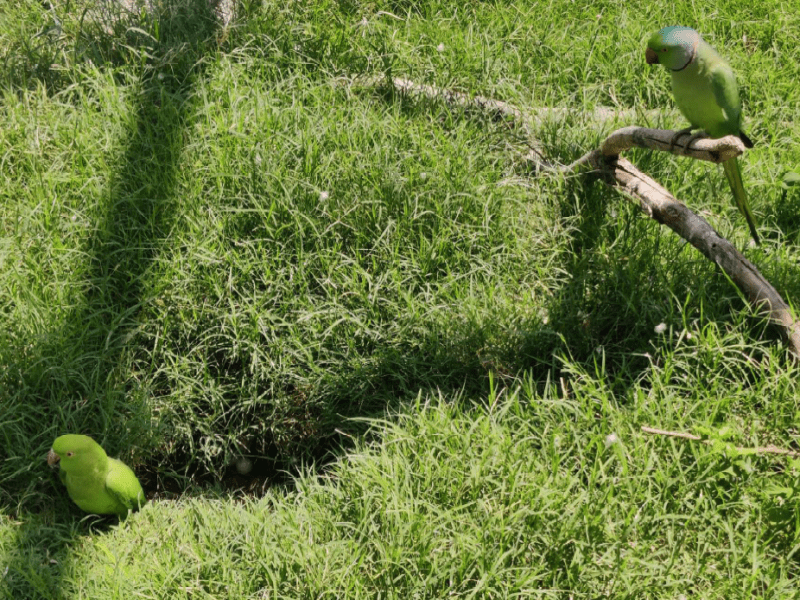
Innovative Nesting: Burrowing Behavior of Rose-Ringed Parakeets
If you ever need reminding that birds are far more inventive than we give them credit for, spend some time watching rose-ringed parakeets in a large, mixed aviary. They may look like cheerful green blurs with predictable habits, but beneath that familiar exterior sits a very adaptable little mind. And earlier last year, in the Indian aviary at Sardar Patel Zoological Park, a pair of…
Keep reading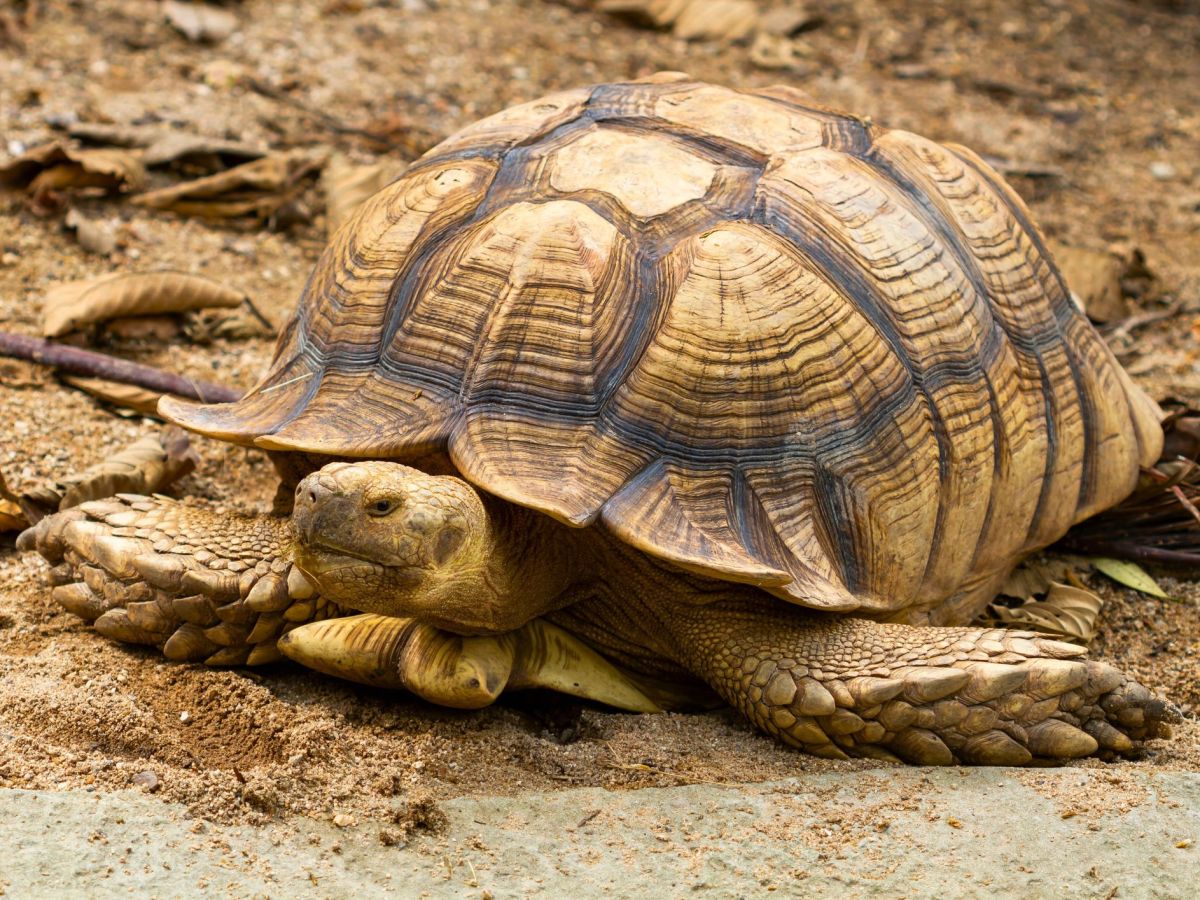
Caring for Sulcata Tortoises
Introduction The sulcata tortoise (Centrochelys sulcata), also known as the African spurred tortoise, is one of the largest tortoise species in the world. Native to the Sahel region of Africa, these impressive reptiles have become increasingly popular as exotic pets in India over recent years (TOI, 2016). While their unique appearance and fascinating behaviors make them attractive to reptile enthusiasts, caring for sulcata tortoises requires…
Keep reading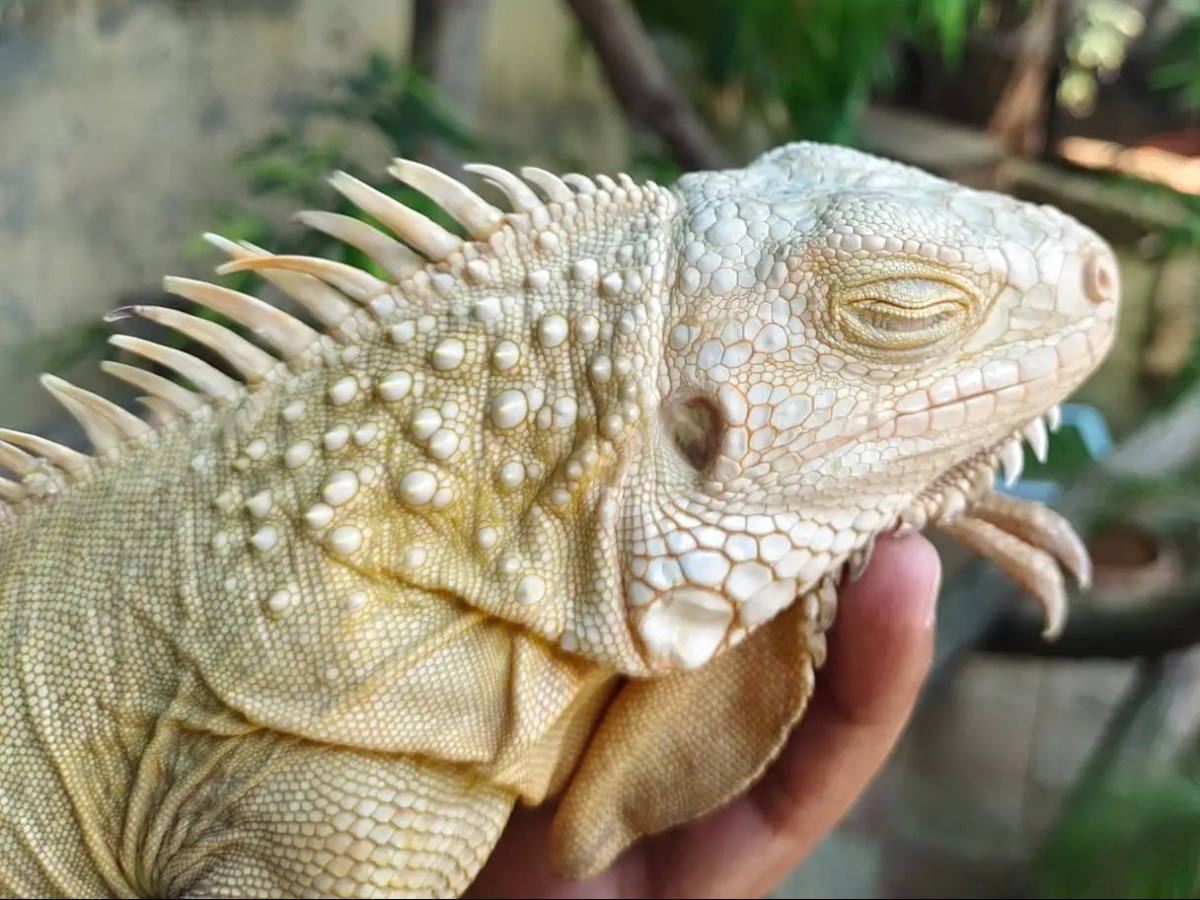
Special considerations for the care and management of albino green iguanas in captivity
The albino green iguana is an attractive reptile that requires special considerations in their care and management. This article discusses the challenges associated with caring for albino green iguanas, with a particular focus on heat and UV requirements, poor eyesight, and other challenges. The albino green iguana is a fascinating and popular reptile in the pet trade. With their striking white scales and red eyes,…
Keep reading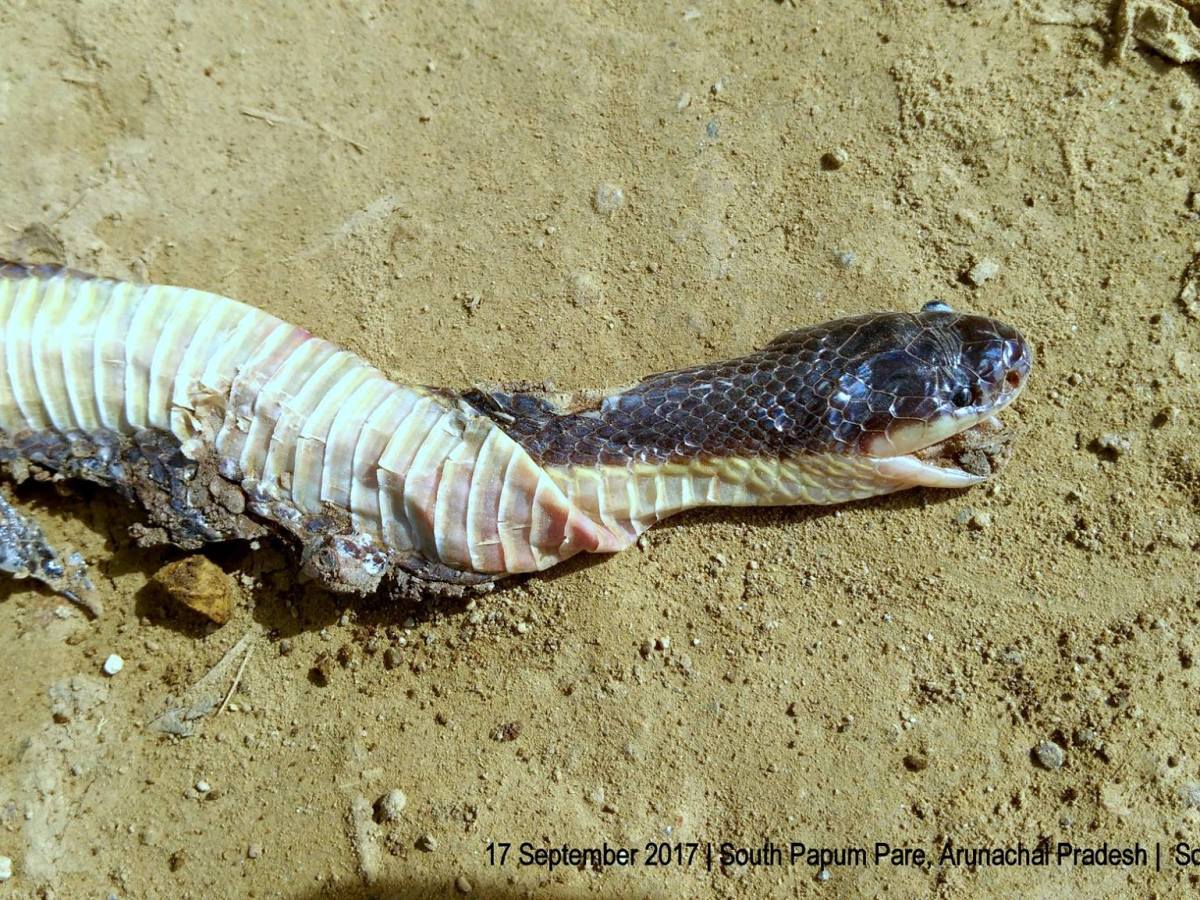
Wildlife Roadkills
You can learn a lot about a landscape by what you flatten on the road. Roadkill is one of those issues everyone agrees is “very sad,” right before they accelerate past the next warning sign at 90 km/h. It’s also vastly underreported, underestimated, and treated as if it were some unavoidable act of nature rather than a direct by-product of the way we carve up…
Keep reading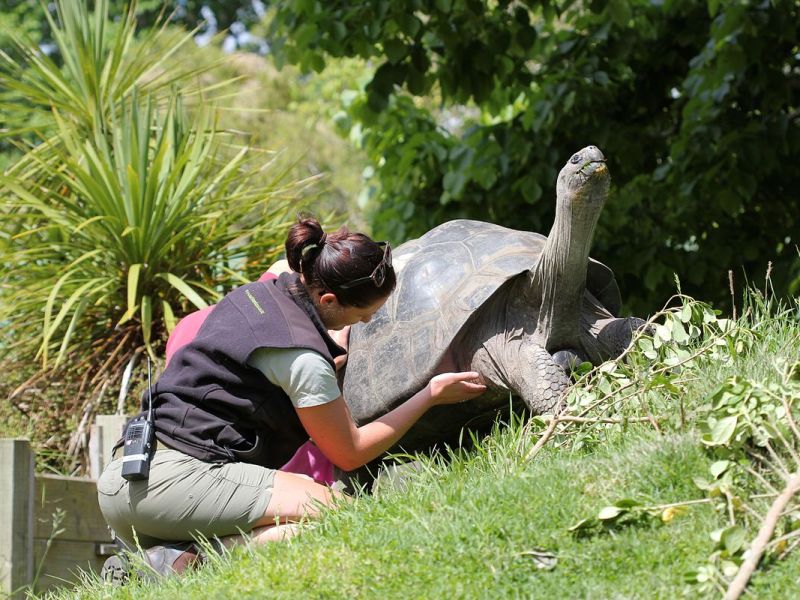
Zookeepers: The People Who Actually Run the Zoo
Most visitors think zoos are run by directors, veterinarians, or occasionally by whatever animal happens to be the most visible that day. In reality, the zoo runs on a far less glamorous unit of energy: zookeepers. They arrive before the gates open, leave after the crowds thin out, and spend most of their working hours doing things no visitor ever sees—often exactly the things that…
Keep reading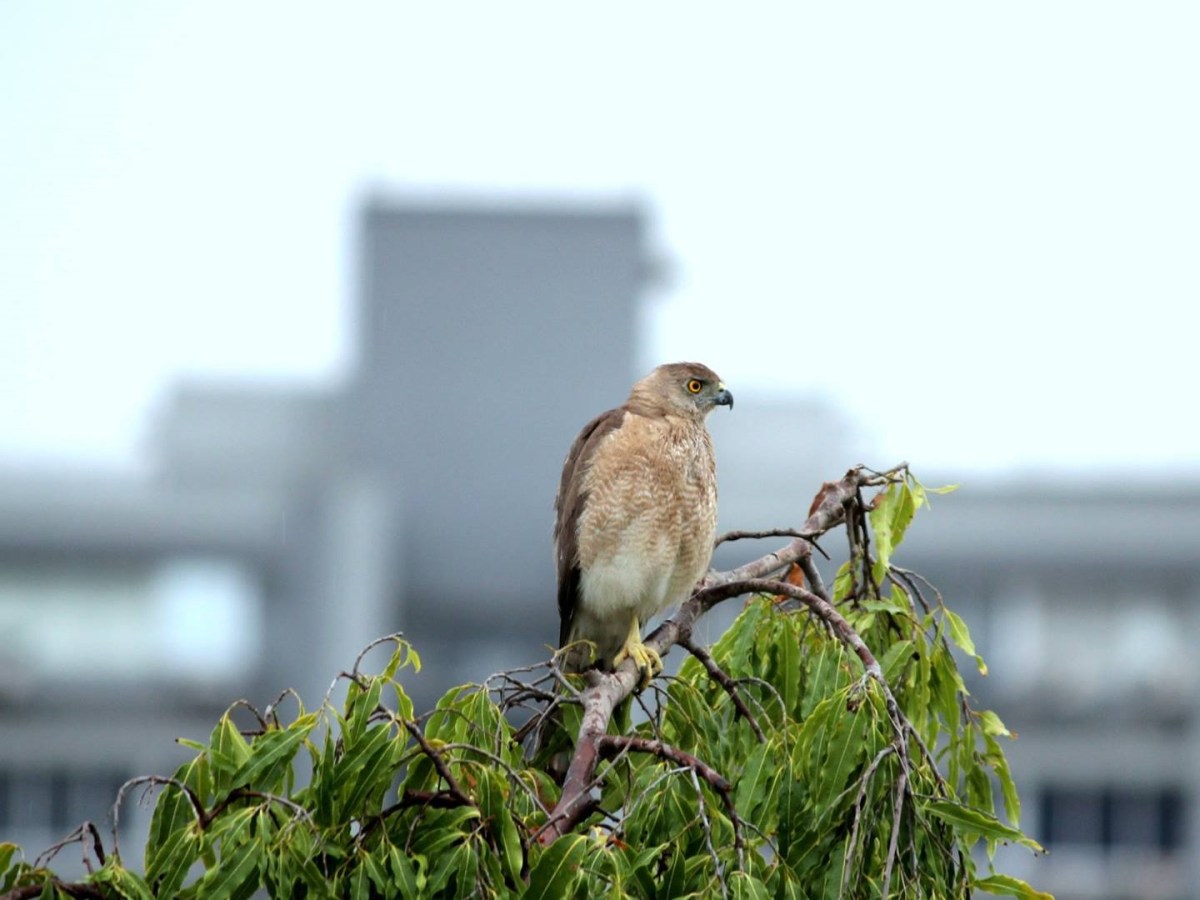
Shared Spaces: Understanding Wildlife Habitats in a Human-Shaped World
Walk through almost any city, village, or farmland long enough and you’ll notice something quietly reassuring: wildlife is everywhere. Not always the glamorous, poster-species wildlife that dominates conservation conversations—but real, resilient wildlife that has learnt to live with us, around us, and sometimes in spite of us. And if you spend enough time watching these animals—whether it’s a mongoose trotting across a street or a…
Keep reading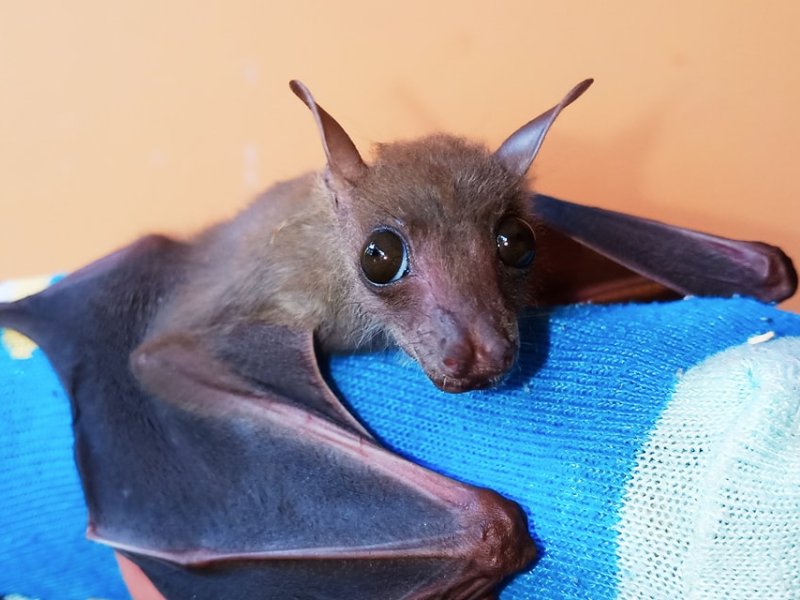
Wildlife Rehabilitation: Adhering to a Code of Ethics
A code of ethics is an essential guideline for wildlife rehabilitators, as it sets out the principles and values that should govern their work. The goal of wildlife rehabilitation is to treat and release injured, orphaned, or displaced wildlife back into their natural habitats. However, the process can be complex and challenging, and it is important for rehabilitators to have a clear set of ethical…
Keep readingSomething went wrong. Please refresh the page and/or try again.

