Author: Soham Mukherjee
-
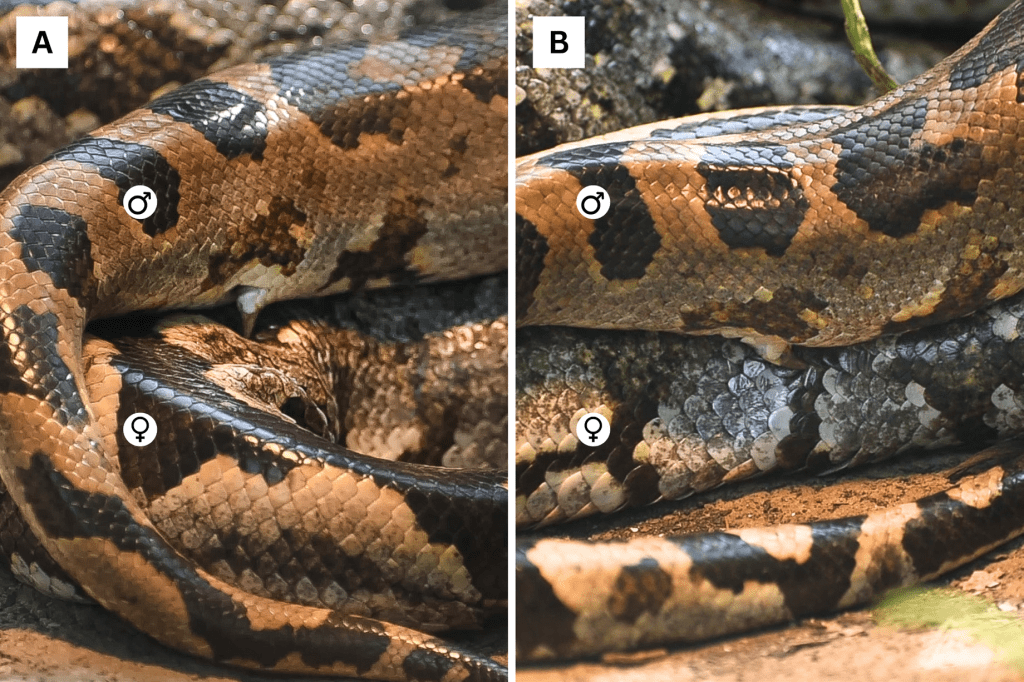
Understanding Python Mating: The Role of Pelvic Spurs
If you ever need a reminder that snakes have a sense of drama, spend a breeding season watching a male python pursue a female twice his size. For all our talk about reptiles being “cold” or “simple,” nothing about their courtship behaviour is either of those things. And recently, inside the Indian Rock Python enclosure…
-
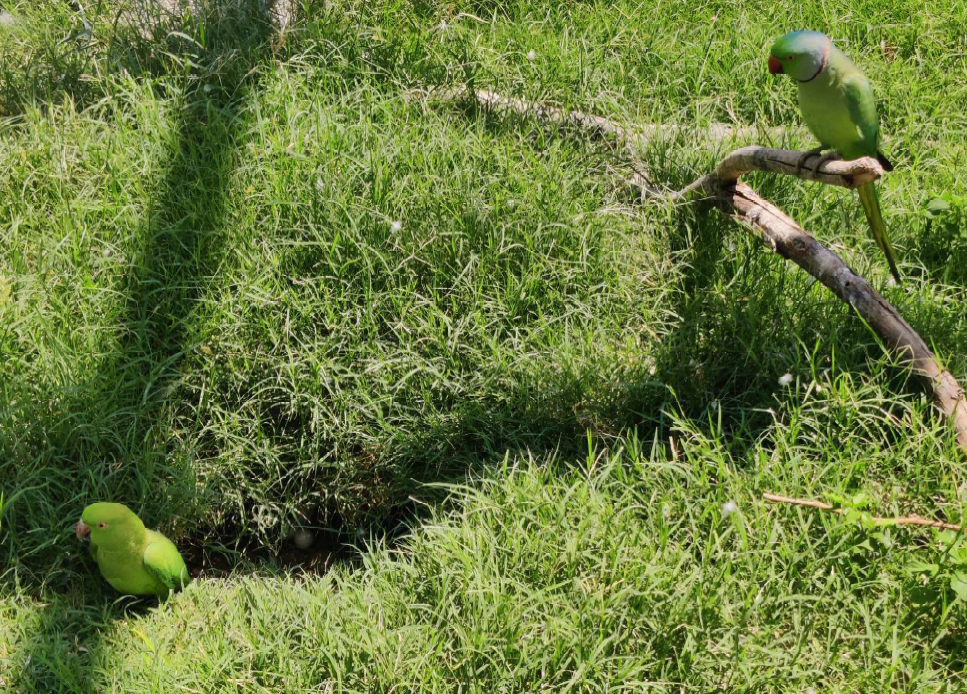
Innovative Nesting: Burrowing Behavior of Rose-Ringed Parakeets
If you ever need reminding that birds are far more inventive than we give them credit for, spend some time watching rose-ringed parakeets in a large, mixed aviary. They may look like cheerful green blurs with predictable habits, but beneath that familiar exterior sits a very adaptable little mind. And earlier last year, in the…
-
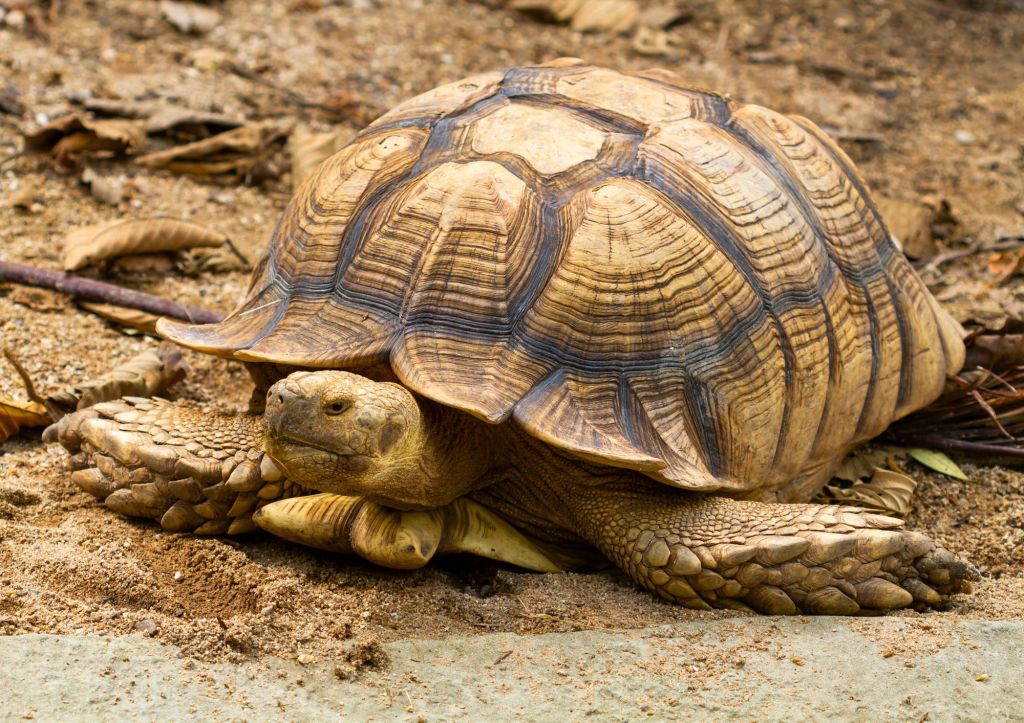
Caring for Sulcata Tortoises
Introduction The sulcata tortoise (Centrochelys sulcata), also known as the African spurred tortoise, is one of the largest tortoise species in the world. Native to the Sahel region of Africa, these impressive reptiles have become increasingly popular as exotic pets in India over recent years (TOI, 2016). While their unique appearance and fascinating behaviors make…
-
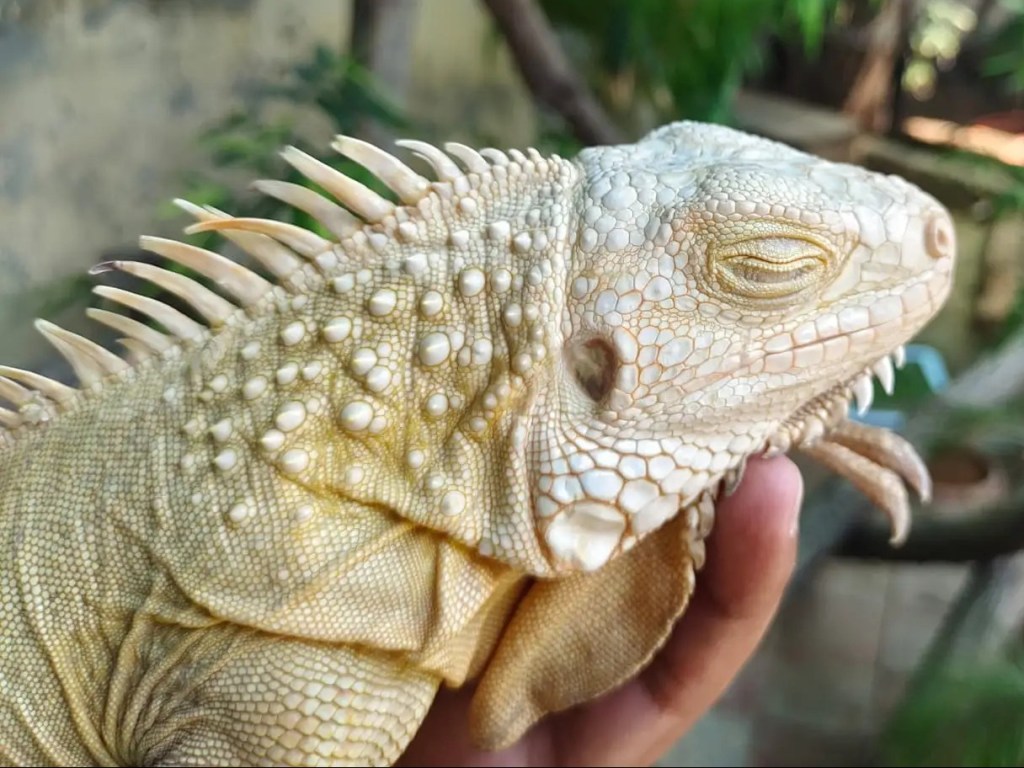
Special considerations for the care and management of albino green iguanas in captivity
The albino green iguana is an attractive reptile that requires special considerations in their care and management. This article discusses the challenges associated with caring for albino green iguanas, with a particular focus on heat and UV requirements, poor eyesight, and other challenges. The albino green iguana is a fascinating and popular reptile in the…
-
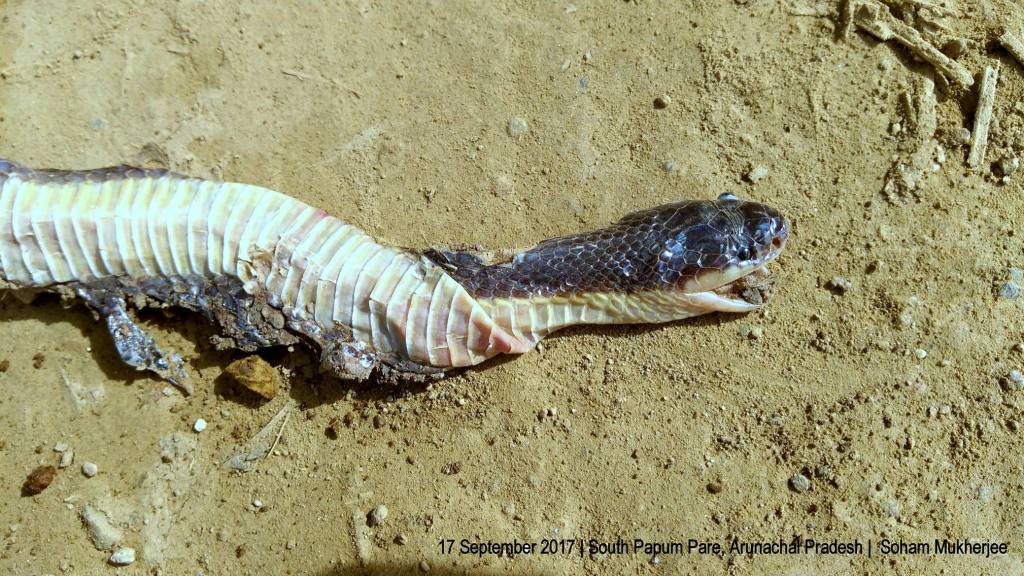
Wildlife Roadkills
You can learn a lot about a landscape by what you flatten on the road. Roadkill is one of those issues everyone agrees is “very sad,” right before they accelerate past the next warning sign at 90 km/h. It’s also vastly underreported, underestimated, and treated as if it were some unavoidable act of nature rather…
-
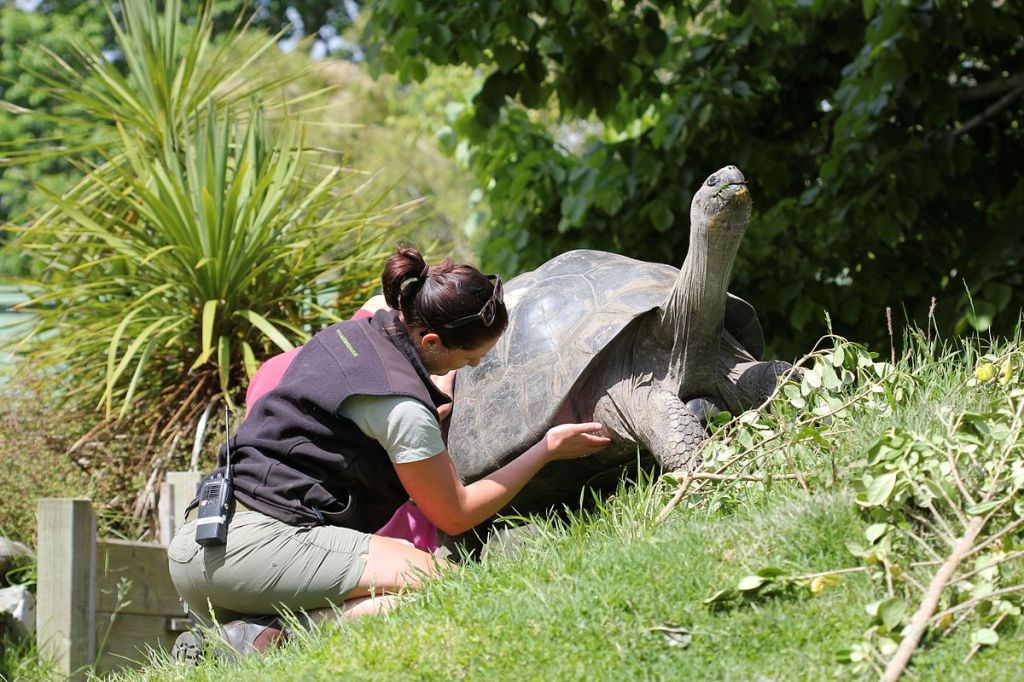
Zookeepers: The People Who Actually Run the Zoo
Most visitors think zoos are run by directors, veterinarians, or occasionally by whatever animal happens to be the most visible that day. In reality, the zoo runs on a far less glamorous unit of energy: zookeepers. They arrive before the gates open, leave after the crowds thin out, and spend most of their working hours…
-

Shared Spaces: Understanding Wildlife Habitats in a Human-Shaped World
Walk through almost any city, village, or farmland long enough and you’ll notice something quietly reassuring: wildlife is everywhere. Not always the glamorous, poster-species wildlife that dominates conservation conversations—but real, resilient wildlife that has learnt to live with us, around us, and sometimes in spite of us. And if you spend enough time watching these…
-

Wildlife Rehabilitation: Adhering to a Code of Ethics
A code of ethics is an essential guideline for wildlife rehabilitators, as it sets out the principles and values that should govern their work. The goal of wildlife rehabilitation is to treat and release injured, orphaned, or displaced wildlife back into their natural habitats. However, the process can be complex and challenging, and it is…
-
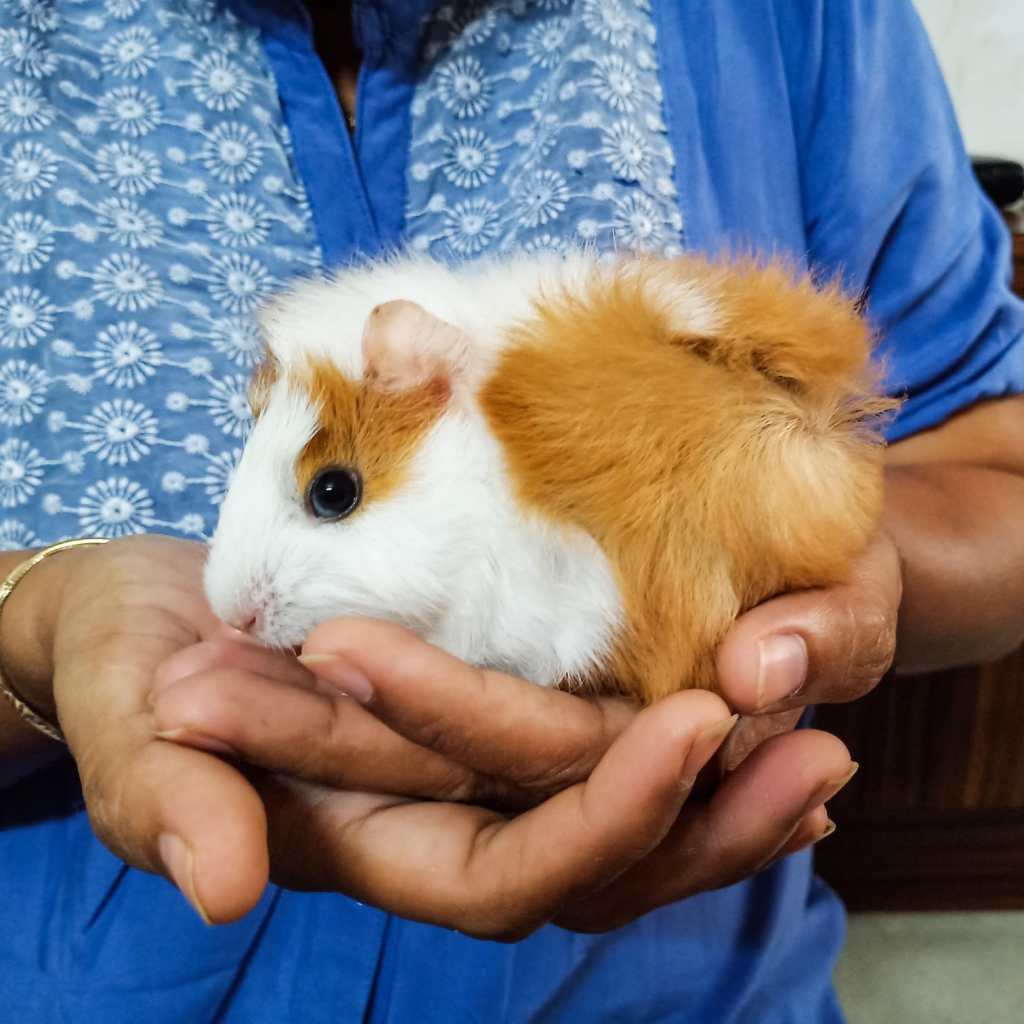
Raising Happy and Healthy Guinea Pig Babies: Hand-Raising Guide
Hand-raising guinea pig babies can be a rewarding experience for those who are willing to invest time and effort into the process. It is important to note, however, that hand-raising guinea pig babies should only be attempted by experienced keepers or individuals who have done extensive research and are prepared for the challenges that may…
-
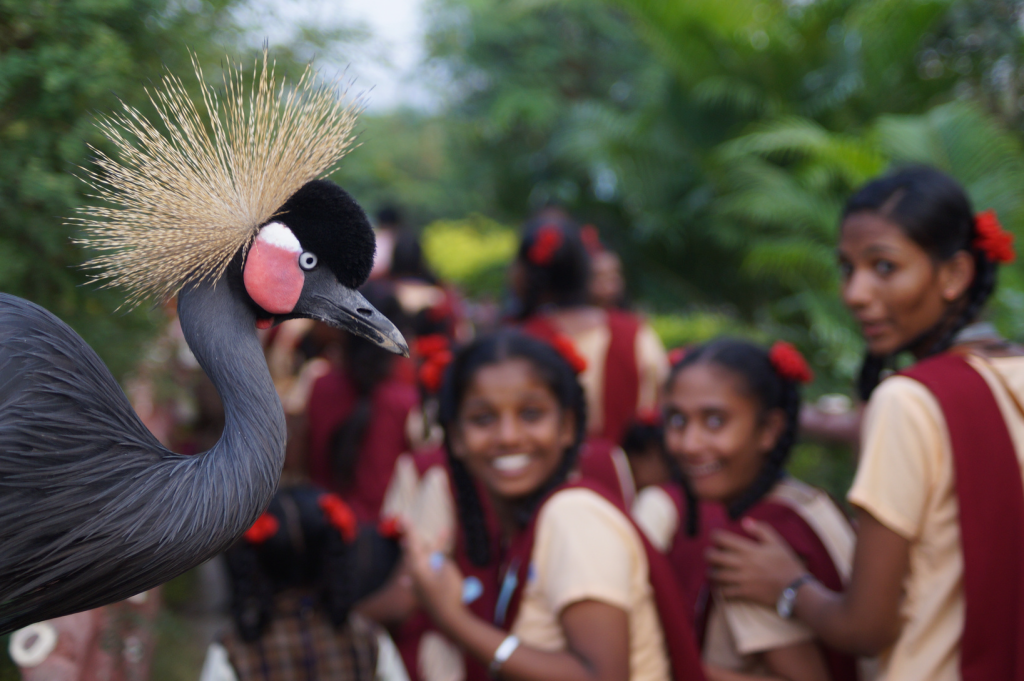
Why Zoos Matter: Conservation Beyond Idealism
Zoos tend to trigger strong opinions. People either love them, hate them, or love to hate them—often without having set foot inside a modern one in years. The irony is that while debates rage online about whether zoos should exist, millions of animals continue to exist because they do. Quietly. Without hashtags. Modern zoos and…
 WILDROOST