If you ever need reminding that birds are far more inventive than we give them credit for, spend some time watching rose-ringed parakeets in a large, mixed aviary. They may look like cheerful green blurs with predictable habits, but beneath that familiar exterior sits a very adaptable little mind. And earlier last year, in the Indian aviary at Sardar Patel Zoological Park, a pair of these birds did something that even caught an experienced team off guard—they decided that the best place to raise a family was not in a tree hollow, or a nest box, but underground.
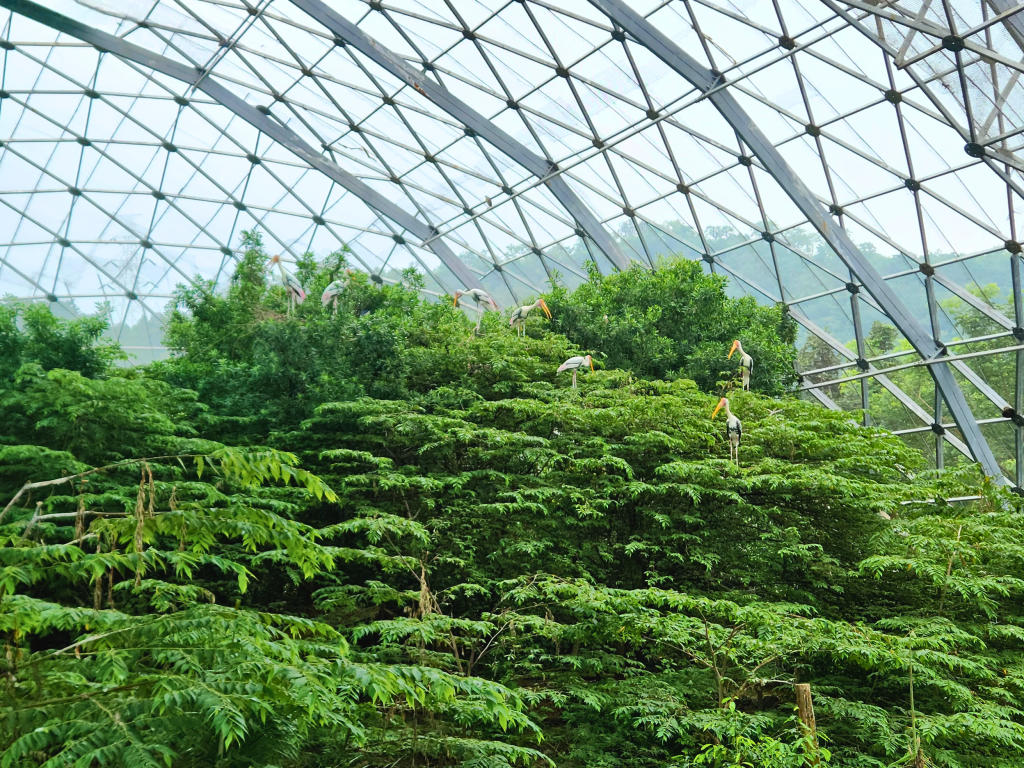
The aviary itself is a colossal, leafy world, nearly 7,000 square metres of Indian flora and mixed birdlife. Twenty-odd tree species stretch upward, and branches weave through sun and shadow like a natural cathedral. Among these trees live three parakeet species—rose-ringed, Alexandrine, and plum-headed—all perfectly capable of finding or competing for cavities. Especially the rose-ringed parakeets: confident, clever, often noisy, and never short of personality.
But in March 2023, during a routine check, keepers noticed something decidedly un-parakeet-like. A pair had disappeared into a small hole in the ground.
At first glance, it looked like exploratory foraging. Parakeets chew everything—bark, leaves, feeder trays, occasionally your bootlaces if you’re standing still for too long. But this pair wasn’t just pecking around. They were going inside the hole. Properly. Like they owned the place.
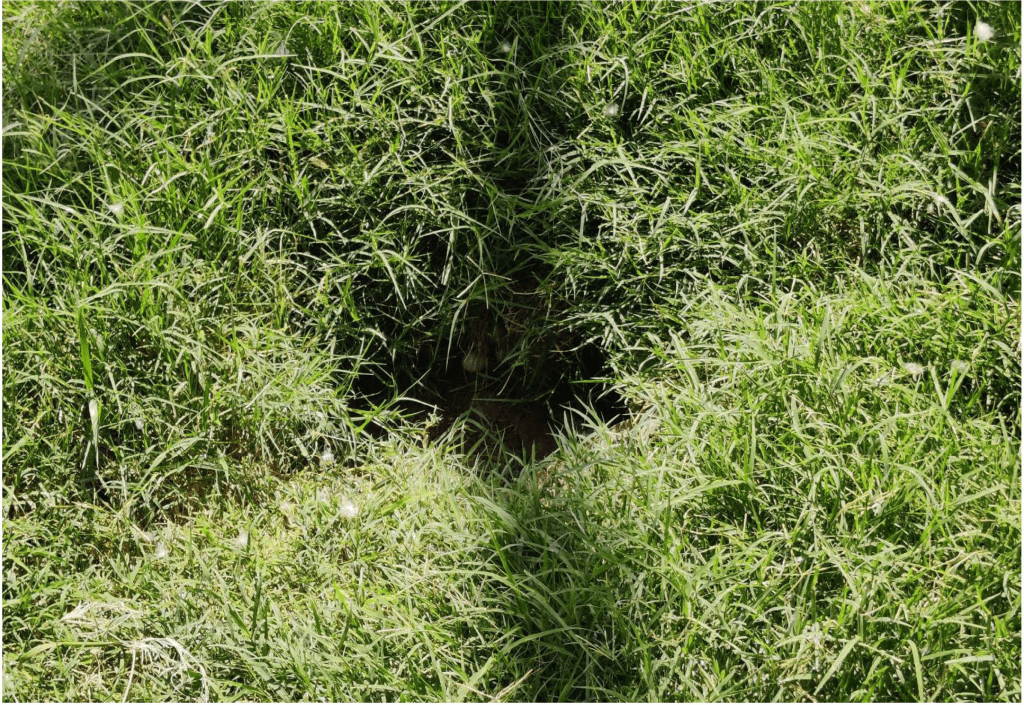
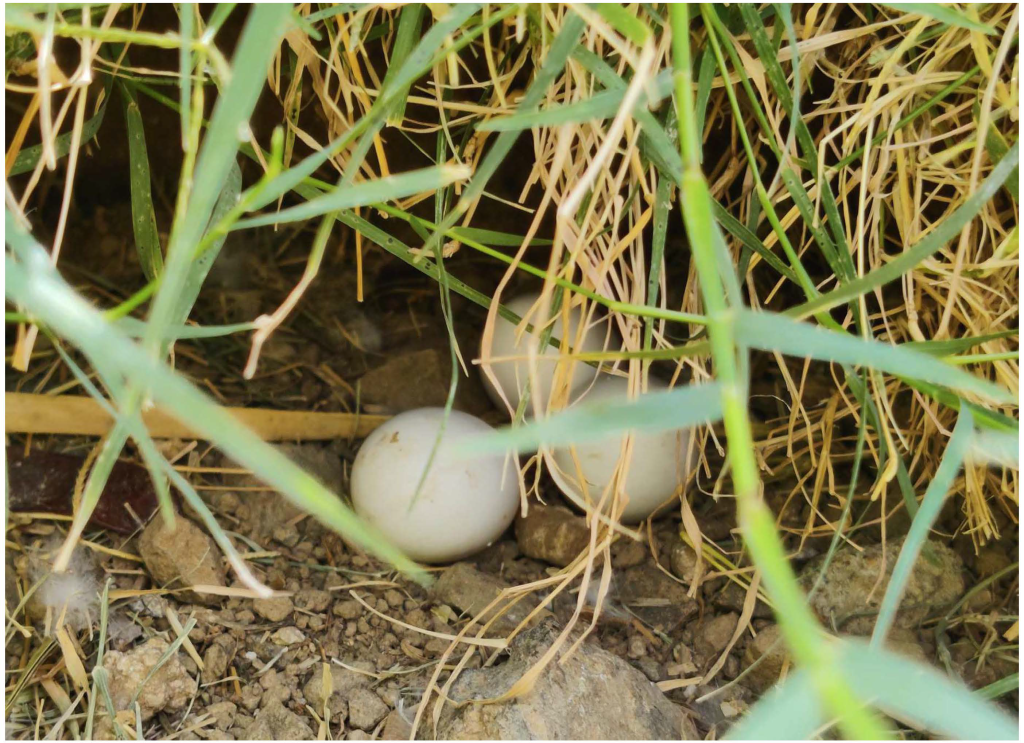
Over the next five days, the pair expanded the burrow with impressive commitment. They dug horizontally, deepening and widening it until it resembled something you’d expect from a small mammal, not a parrot. When keepers peered inside on 21 March, there they were—three gleaming white eggs nestled deep in the chamber.
It was a strange moment. Rose-ringed parakeets are cavity nesters through and through. Tree hollows, nest boxes, crevices—perfect. Dirt tunnels? Not even on the list. And yet here they were, behaving like burrowing parrots from the Patagonian cliffs.
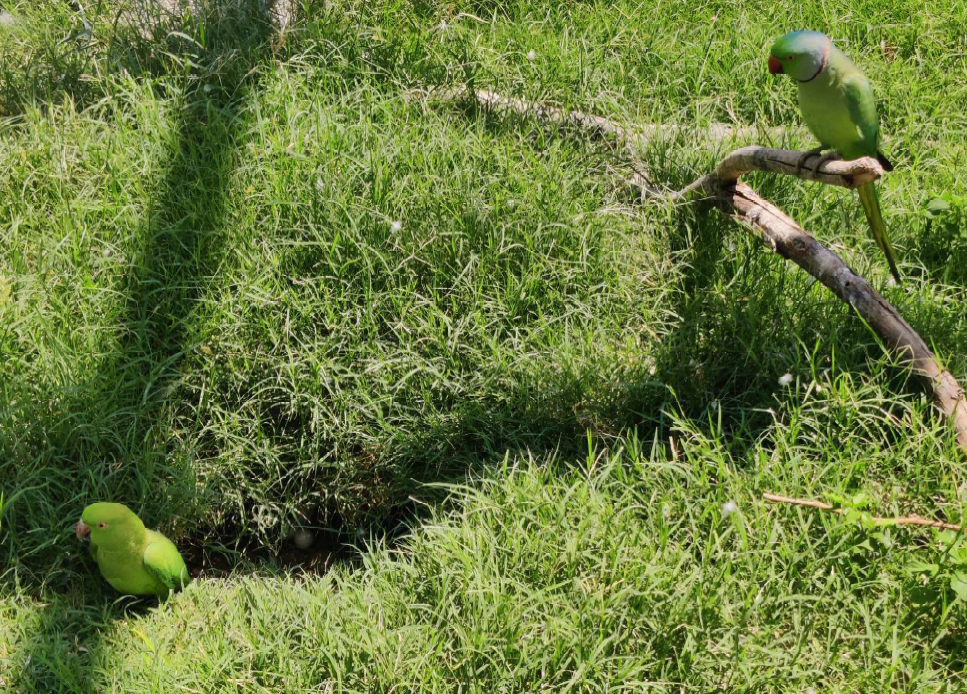
The parents guarded the burrow with extraordinary vigilance. One bird incubated while the other stood at the entrance, feathers slightly puffed, eyes fixed on anything that moved—a clear warning that this new architectural experiment was not to be disturbed. It was all textbook nesting behaviour, just transposed into the ground.
On 4 April, the first chick hatched. A tiny, fragile thing, barely visible in the dim burrow light. But by 6 April, it was gone—almost certainly the victim of a nocturnal predator. That loss raised serious concerns; a ground burrow inside an aviary is still a ground burrow, with all the risks that come with it.
The second chick, now dangerously exposed, was removed for its safety and hand-raised in the zoo’s veterinary hospital.
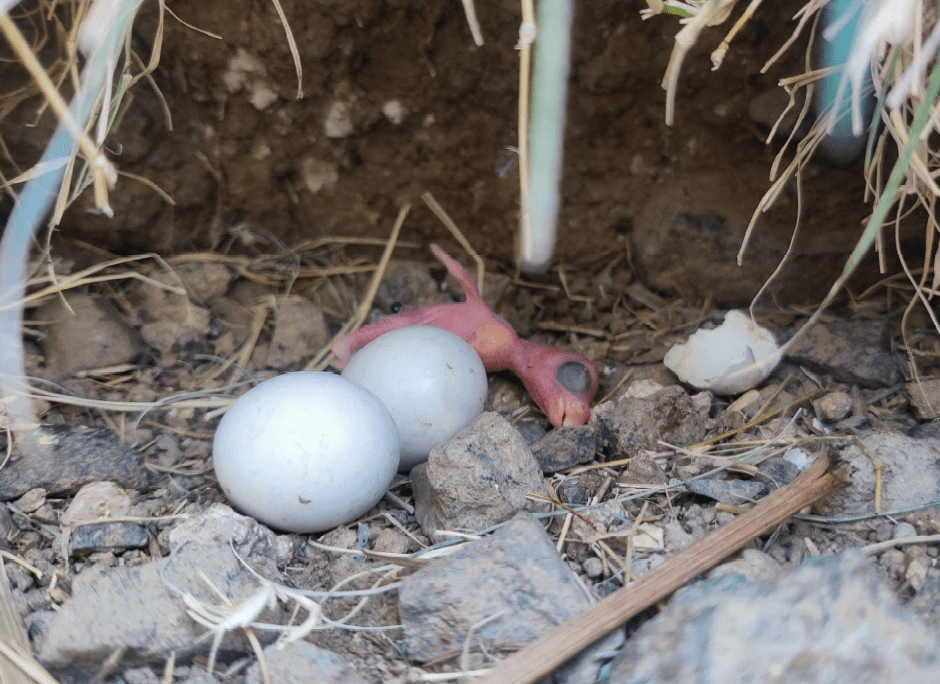
For two months it grew under careful care before being reintroduced to the aviary, joining the flock it was born into—even if it hadn’t been raised there.
The third egg never hatched.
So why would a species that usually nests in tree cavities suddenly switch strategies and dig a burrow? Behavioural ecology has a few ideas. Rose-ringed parakeets are secondary cavity nesters, which means every nesting season is a contest for the best hollows. With over a hundred individuals in the aviary, even a well-designed habitat can face a shortage of prime real estate. When competition is high, animals innovate. Some species fight for cavities. Others compromise. And a small but fascinating few completely rewrite the rulebook.
This pair chose innovation.
It’s a reminder that behaviour is rarely fixed. Even the most “predictable” species are constantly testing boundaries, adjusting strategies, and responding to subtle pressures in the environment. Sometimes those adjustments are temporary. Sometimes they become long-term changes in captive populations. And sometimes they teach us something new about a species we thought we already knew inside out.
For zoo managers, observations like this are valuable feedback. They nudge us to think about resource availability, enclosure complexity, predator risks, and how animal decisions reflect the environments we create. Even unexpected behaviours can be meaningful signals if we’re paying attention.
Watching these parakeets take their instincts underground was one of those moments. A reminder that animals don’t always read the manual we write for them. They improvise. They adapt. And occasionally, they tunnel.
And sometimes, all it takes is a single pair of enterprising parakeets and a patch of soft soil to show us just how flexible—and surprising—wildlife can be.
Original Study
This blog article is adapted from the research note:
Trivedi, K., Patel, M., & Mukherjee, S. (2024). Novel nesting behaviour in rose-ringed parakeet (Psittacula krameri) at Sardar Patel Zoological Park. Cheetal, 61(2), 47–52.
 WILDROOST
Leave a comment