Introduction
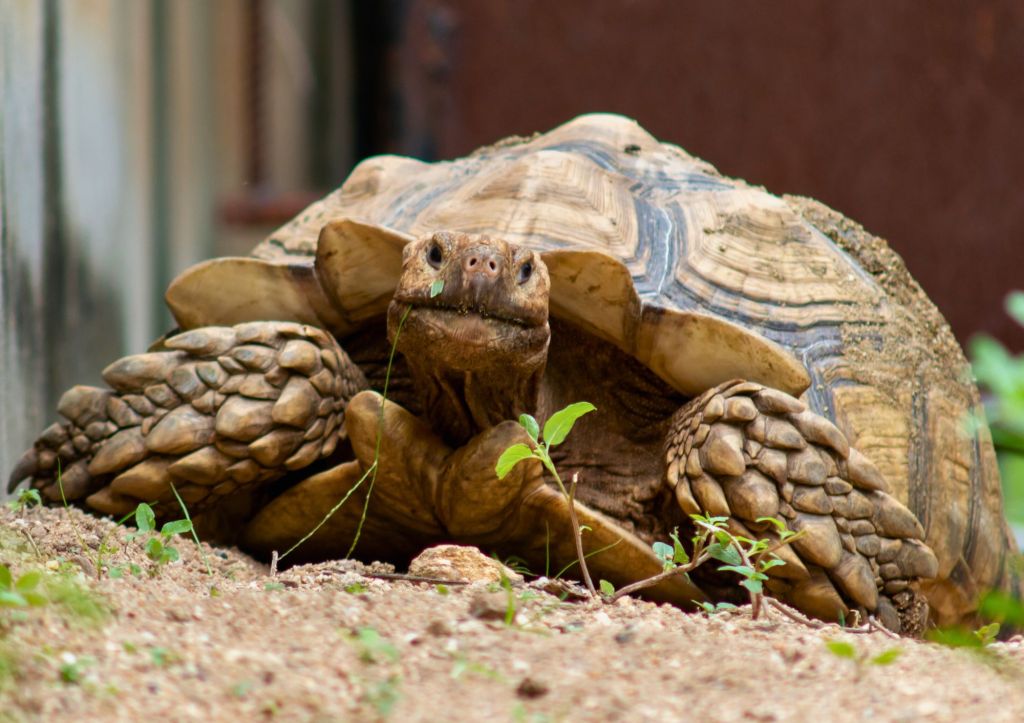
The sulcata tortoise (Centrochelys sulcata), also known as the African spurred tortoise, is one of the largest tortoise species in the world. Native to the Sahel region of Africa, these impressive reptiles have become increasingly popular as exotic pets in India over recent years (TOI, 2016). While their unique appearance and fascinating behaviors make them attractive to reptile enthusiasts, caring for sulcata tortoises requires a deep understanding of their specific needs, especially within the Indian climate.
Proper husbandry is crucial for the well-being and health of sulcata tortoises. This article provides a comprehensive guide on how to care for these majestic creatures in Indian conditions, covering essential aspects such as housing, diet, lighting, and common health issues. By following these guidelines, owners can ensure their sulcata tortoises lead healthy, enriched lives.
Understanding the Sulcata Tortoise
Natural Habitat
Sulcata tortoises are native to the southern edge of the Sahara Desert, spanning countries like Senegal, Mauritania, Mali, Niger, Chad, Sudan, and Ethiopia (Rhodin et al., 2020). They are adapted to arid environments with extreme temperatures and scarce water sources. In the wild, they spend the hottest parts of the day in underground burrows to escape the heat and emerge to forage during cooler periods.
Physical Characteristics
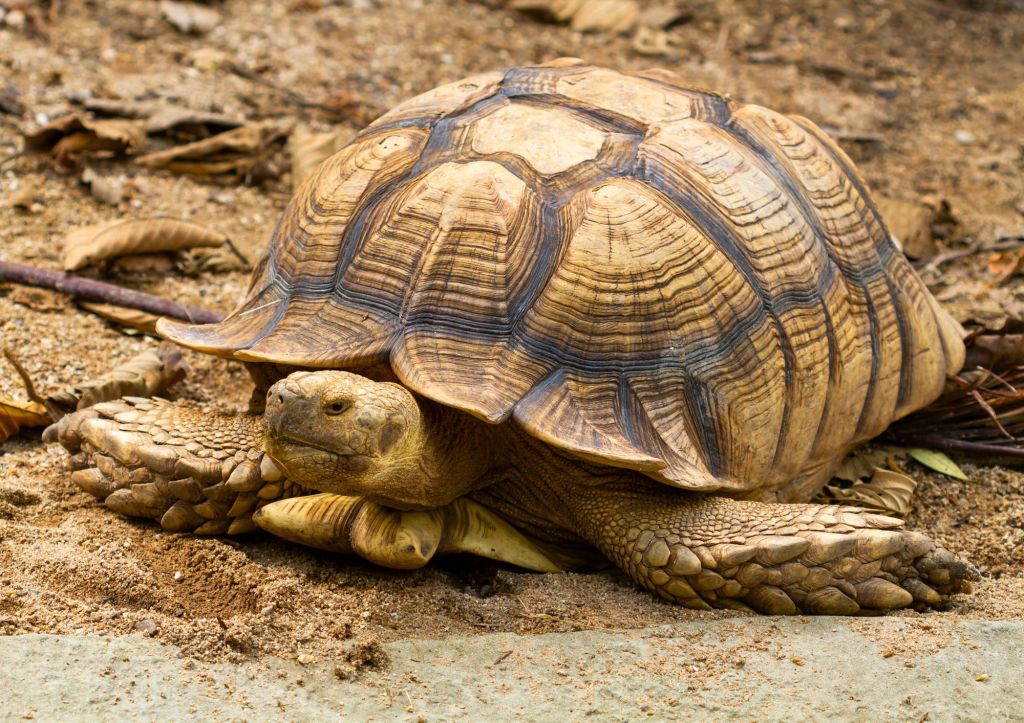
- Size: Adult males can reach up to 30 inches in length and weigh up to 45 kg. Females are slightly smaller, growing up to 24 inches and weighing around 35 kg (Gurley, 2012).
- Lifespan: With proper care, sulcata tortoises can live for over 70 years.
- Behavior: They are known for their strong digging instincts and can be quite active and curious.
Housing and Enclosure
Space Requirements
Sulcata tortoises are large and active, requiring ample space to roam and explore. A minimum enclosure size for a single adult is 500 square feet, but larger is always better to accommodate their growth and natural behaviors (Stauffer, 2003).
Outdoor Enclosures
- Substrate: Use a dry, well-draining substrate like a mix of sand and soil. Avoid substrates that retain moisture, as high humidity can lead to respiratory issues.
- Fencing: Ensure the enclosure has sturdy walls at least 2 feet high and buried 1 foot underground to prevent escape from digging.
- Shelter: Provide shaded areas and a shelter or hide box to protect them from extreme weather conditions.
Burrowing Behavior
Sulcata tortoises are prolific diggers, creating burrows to regulate their body temperature and for security. Allow them to express this natural behavior by providing areas with suitable substrate for digging.
Temperature Considerations
- Daytime Temperature: Maintain ambient temperatures between 30°C to 35°C.
- Basking Spot: Provide a basking area that reaches 40°C.
- Nighttime Temperature: Should not drop below 20°C. Use ceramic heat emitters or heating pads if necessary during colder months.
Lighting and Heating
Importance of UVB Lighting
Access to UVB light is essential for vitamin D₃ synthesis, which aids in calcium absorption and prevents metabolic bone disease (Klaphake, 2010; Mans & Braun, 2014).
- Natural Sunlight: The best source of UVB. Outdoor enclosures should allow unfiltered sunlight exposure.
- Artificial Lighting: If natural sunlight isn’t sufficient, use high-quality UVB lamps designed for reptiles for at least 12 hours a day.
- Lamp Placement: Position the UVB lamp 12-18 inches above the tortoise’s shell, ensuring there is no glass or plastic between the lamp and the tortoise, as these materials block UVB rays.
Heating Elements
- Heat Lamps: Provide a basking area using heat lamps during the day.
- Ceramic Heaters: Ideal for nighttime heating as they emit heat without light, preventing disruption of the tortoise’s natural day-night cycle.
- Thermostats: Use thermostats to regulate temperatures and prevent overheating.
Diet and Nutrition
Dietary Needs
Sulcata tortoises are herbivores with a diet high in fiber and low in protein and sugars (Williams, 2017). Feeding them correctly is crucial to prevent obesity and health issues.
Staple Foods (80-90% of Diet)
- Grasses: Napier grass, Bermuda grass, lawn grass, orchard grass.
- Note: Allow for grazing if possible by planting grasses in their enclosure.
Vegetables and Greens (10-20% of Diet)
- Leafy Greens: Amaranth leaves, fenugreek leaves, mustard greens, collard greens.
- Vegetables: Pumpkin, bottle gourd, okra, carrots, bell peppers.
- Preparation: Offer a mix of chopped fibrous vegetables and minimize root vegetables.
Occasional Treats
- Fruits: Small amounts of watermelon, papaya, apple.
- Others: Hibiscus flowers and leaves, mulberry leaves, cactus pads.
- Frequency: Offer treats sparingly due to high sugar content.
Supplements
- Calcium Powder: Sprinkle on food twice a week to support shell and bone health.
- Multivitamins: Use reptile-specific multivitamins once a week.
Feeding Tips
- Timing: Feed during the warmest part of the day when the tortoise is most active.
- Hydration: Always provide fresh, clean water for drinking and soaking.
Behaviour and Socialization
Social Structure
- Solitary Nature: In the wild, sulcata tortoises are generally solitary, coming together only for breeding (Gurley, 2012).
- Captive Housing: They can be kept alone or in groups, but adequate space is essential to prevent stress and aggression.
Aggression and Territoriality
- Males: Can be aggressive, especially during breeding seasons, displaying territorial behaviors towards other males and sometimes females (Kubiak & Pellett, 2020).
- Females: Less aggressive but may show dominance behaviors.
- Prevention: Provide ample space, visual barriers, and multiple feeding and basking areas to reduce competition.
Interaction with Humans
- Handling: Limit handling to necessary occasions to reduce stress.
- Observation: They enjoy exploring their environment and can become accustomed to human presence over time.
Common Health Problems and Prevention
Metabolic Bone Disease (MBD)
- Cause: Lack of calcium and inadequate UVB exposure leading to poor calcium absorption (Mans & Braun, 2014).
- Symptoms: Soft or deformed shell (pyramiding), lethargy, weakness.
- Prevention: Proper diet rich in calcium, UVB lighting, and supplements.
Respiratory Infections
- Cause: Incorrect humidity levels, cold temperatures, and poor ventilation (Studer & Di Girolamo, 2021).
- Symptoms: Wheezing, nasal discharge, open-mouth breathing.
- Prevention: Maintain appropriate temperatures, ensure good ventilation, and avoid damp conditions.
Shell Rot
- Cause: Bacterial or fungal infections due to damp and dirty environments.
- Symptoms: Discoloration, soft spots, foul odor.
- Prevention: Keep enclosure clean and dry, regular health checks.
Dehydration
- Cause: Insufficient water intake, hot environments.
- Symptoms: Sunken eyes, lethargy, dry skin.
- Prevention: Provide constant access to clean water for drinking and soaking.
Environmental Enrichment
Importance of Enrichment
Environmental enrichment enhances the tortoise’s quality of life by encouraging natural behaviors and mental stimulation (Newberry, 1995).
Enrichment Ideas
- Varied Terrain: Incorporate hills, rocks, and logs for climbing and exploration.
- Burrowing Opportunities: Allow areas with suitable substrate for digging.
- Hideouts: Provide shelters and tunnels to simulate natural hiding spots.
- Foraging Opportunities: Scatter food around the enclosure to encourage natural foraging behavior.
- Water Features: Shallow ponds or soaking areas for hydration and cooling off (Mcleod, 2022).
Social Enrichment
- Companionship: While generally solitary, some tortoises may benefit from the presence of others if space and resources are sufficient.
- Caution: Monitor for signs of aggression and separate individuals if necessary.
Seasonal Care Considerations in India
Summer Months
- Heat Management: Provide ample shade and hydration to prevent overheating.
- Hydration: Increase access to water for soaking and drinking.
Monsoon Season
- Humidity Control: Ensure the enclosure remains dry to prevent respiratory issues.
- Shelter: Provide elevated shelters to protect from excessive moisture.
Winter Months
- Temperature Maintenance: Use heating elements to keep nighttime temperatures above 20°C.
- Reduced Activity: Expect lower activity levels; adjust feeding accordingly but maintain regular diet.
Conclusion
Caring for sulcata tortoises in India requires dedication and understanding of their natural history and specific needs. By providing a spacious and stimulating environment, appropriate diet, and proper environmental conditions, owners can ensure their tortoises lead healthy and fulfilling lives.
Remember, owning a sulcata tortoise is a long-term commitment that can span several decades. Always consult with a veterinarian experienced in reptile care for regular health check-ups and if any health issues arise.
References
- Blackett, T. A., et al. (2017). The welfare of wild animals in zoological institutions: Are we meeting our duty of care? International Zoo Yearbook, 51(1), 187–202.
- Gurley, R. (2012). Sulcatas in Captivity. BookBaby.
- Klaphake, E. (2010). A fresh look at metabolic bone diseases in reptiles and amphibians. Veterinary Clinics: Exotic Animal Practice, 13(3), 375–392.
- Kubiak, M., & Pellett, S. (2020). African Tortoises. In Handbook of Exotic Pet Medicine (pp. 361–386). Wiley.
- Mans, C., & Braun, J. (2014). Update on Common Nutritional Disorders of Captive Reptiles. Veterinary Clinics of North America: Exotic Animal Practice, 17(3), 369–395.
- Mcleod, L. (2022). A Guide to Caring for Sulcata Tortoises as Pets. The Spruce Pets.
- Newberry, R. C. (1995). Environmental enrichment: Increasing the biological relevance of captive environments. Applied Animal Behaviour Science, 44(2–4), 229–243.
- Rhodin, A. G. J., et al. (2020). Conservation Biology of Freshwater Turtles and Tortoises. Chelonian Research Foundation and Turtle Conservancy.
- Studer, K., & Di Girolamo, N. (2021). Respiratory Disorders in Chelonians. Veterinary Clinics of North America: Exotic Animal Practice, 24(2), 341–367.
- TOI. (2016). With no legal risk, exotic pets latest craze among denizens. The Times of India.
- Williams, J. (2017). Stress in chelonians (tortoises, terrapins and turtles). The Veterinary Nurse, 8(5), 264–271.
For more articles on exotic pet care, wildlife rehabilitation, and zoo management, explore our resource library.
 WILDROOST
Leave a comment