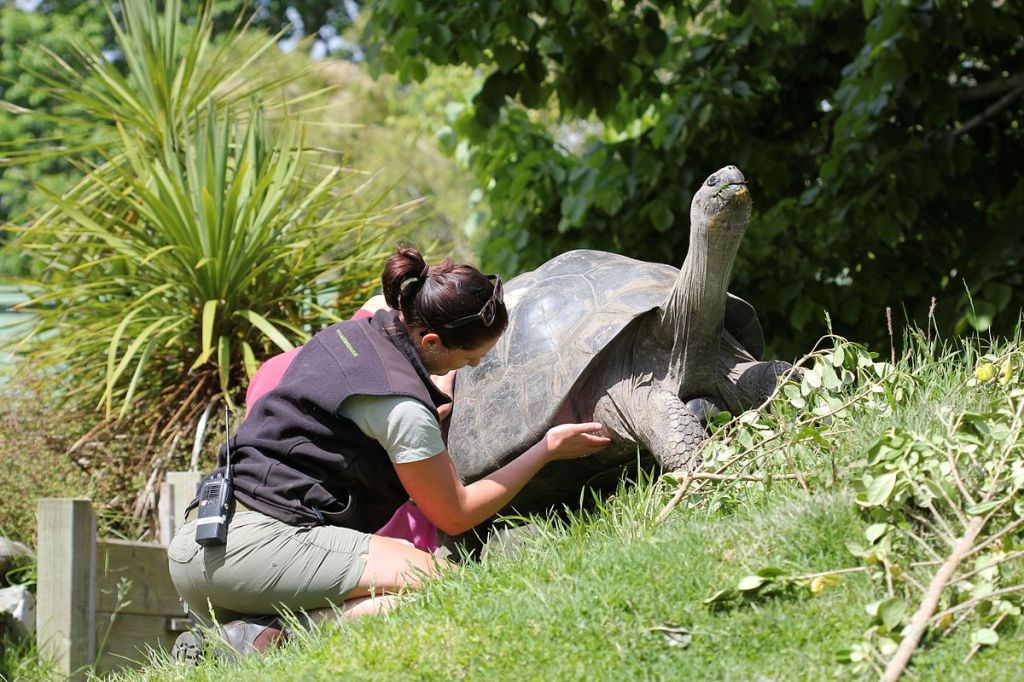
Most visitors think zoos are run by directors, veterinarians, or occasionally by whatever animal happens to be the most visible that day. In reality, the zoo runs on a far less glamorous unit of energy: zookeepers. They arrive before the gates open, leave after the crowds thin out, and spend most of their working hours doing things no visitor ever sees—often exactly the things that keep the zoo functioning.
Zookeepers are frequently described as “unsung heroes,” which is flattering, if a little misleading. They are not heroes. They are professionals. And like most professionals, they are very good at making difficult work look routine.
The practice of keeping animals is ancient. Long before modern zoos existed, wild animals were collected, displayed, and maintained by early civilisations for religious, political, and entertainment purposes. From royal menageries in Mesopotamia and Egypt to collections in China and India, animals were kept largely as symbols of power. Care was basic, knowledge was limited, and welfare—by modern standards—was not really part of the conversation. Someone still had to feed the animals, clean enclosures, and prevent disasters. That someone was the earliest version of a zookeeper, long before the job had a name.
For centuries, this remained largely unchanged. Menageries persisted through medieval Europe, private collections flourished, and animal keeping remained a manual, physically demanding occupation. The shift came slowly, and then all at once, when zoos began to redefine themselves in the 18th and 19th centuries—not as places of spectacle, but as institutions with educational and conservation responsibilities.
What changed most dramatically was not the animals, but the expectations placed on the people caring for them.
Today’s zookeeper is no longer just someone who feeds animals and hoses floors—though both still happen, usually before breakfast. Modern zookeeping demands a working understanding of animal behaviour, nutrition, enclosure design, enrichment, welfare science, and basic veterinary observation. It requires attention to detail, patience, and the ability to notice when something is slightly off—often before any clinical signs appear.
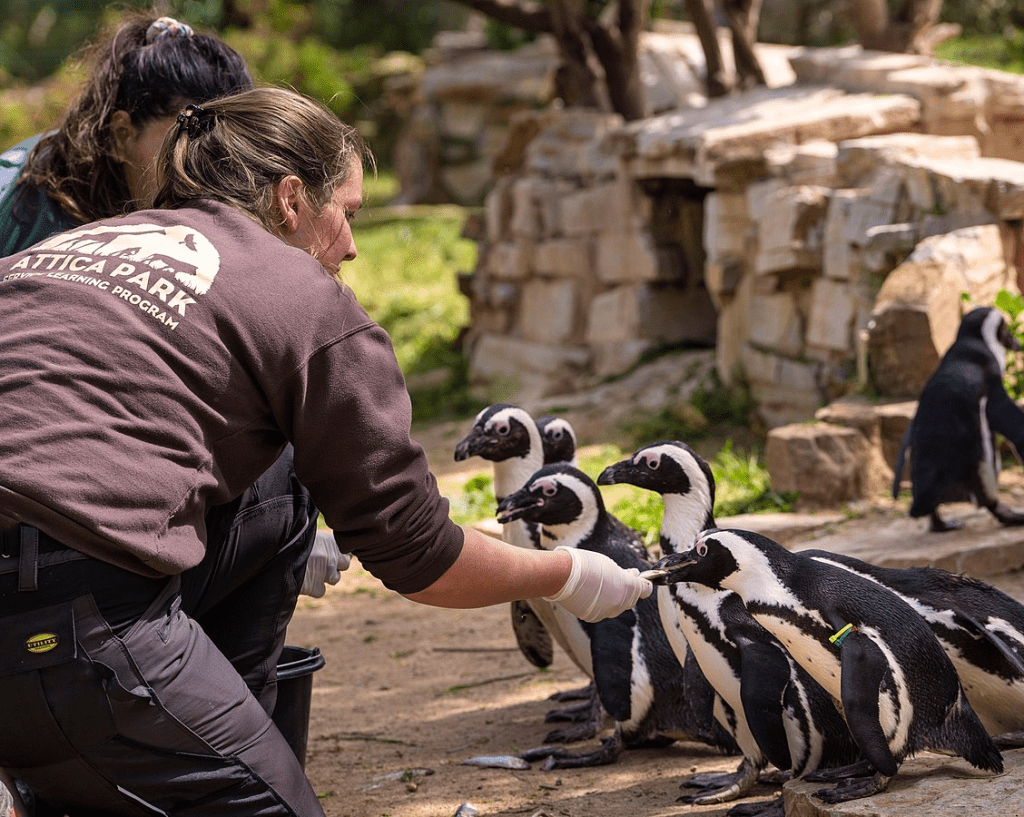
Antonispapani, CC BY-SA 4.0 https://creativecommons.org/licenses/by-sa/4.0, via Wikimedia Commons.
Daily routines still form the backbone of the job: feeding, cleaning, maintaining habitats, preparing diets, and designing enrichment. But woven through these tasks is constant observation. Keepers notice changes in appetite, posture, movement, social dynamics, and behaviour—small signals that matter a great deal. A zookeeper is often the first person to realise that an animal is unwell, stressed, or responding poorly to a change in its environment.
They also work closely with veterinarians, nutritionists, and biologists, contributing to breeding programmes, behavioural management plans, and long-term population sustainability. In well-run institutions, keepers are not passive implementers of instructions; they are active contributors, feeding practical knowledge back into management decisions.
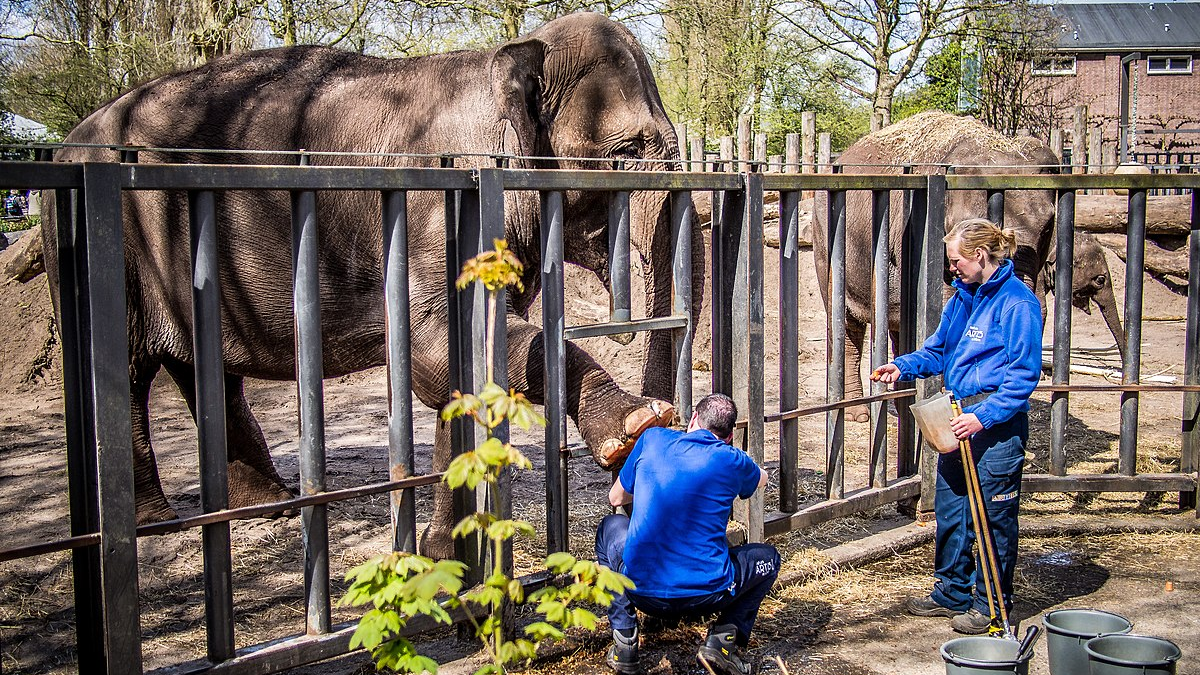
Sergey Galyonkin from Berlin, Germany, CC BY-SA 2.0 https://creativecommons.org/licenses/by-sa/2.0, via Wikimedia Commons.
One of the most visible changes in modern zookeeping is the shift towards cooperative care and positive reinforcement training. Animals are trained to voluntarily participate in health checks, medical procedures, and routine management—not because it looks good for visitors, but because it reduces stress and improves welfare. Training an elephant to present a foot or a reptile to enter a crate voluntarily is not a trick. It is a welfare tool, built on trust, consistency, and time.
Beyond animal care, zookeepers are also the primary human interface between the zoo and the public. They give talks, lead tours, answer questions, and occasionally correct deeply entrenched myths—sometimes politely, sometimes with impressive restraint. Visitors may come for the animals, but it is often the keeper interaction that determines whether they leave with curiosity, understanding, or just another photo.
This educational role is not accidental. Modern zoos rely on keepers to translate science into stories that make sense to non-specialists. A well-informed keeper can explain why an animal isn’t visible, why an enclosure looks “empty,” or why enrichment matters more than constant activity. In doing so, they quietly reshape how people understand animal welfare.
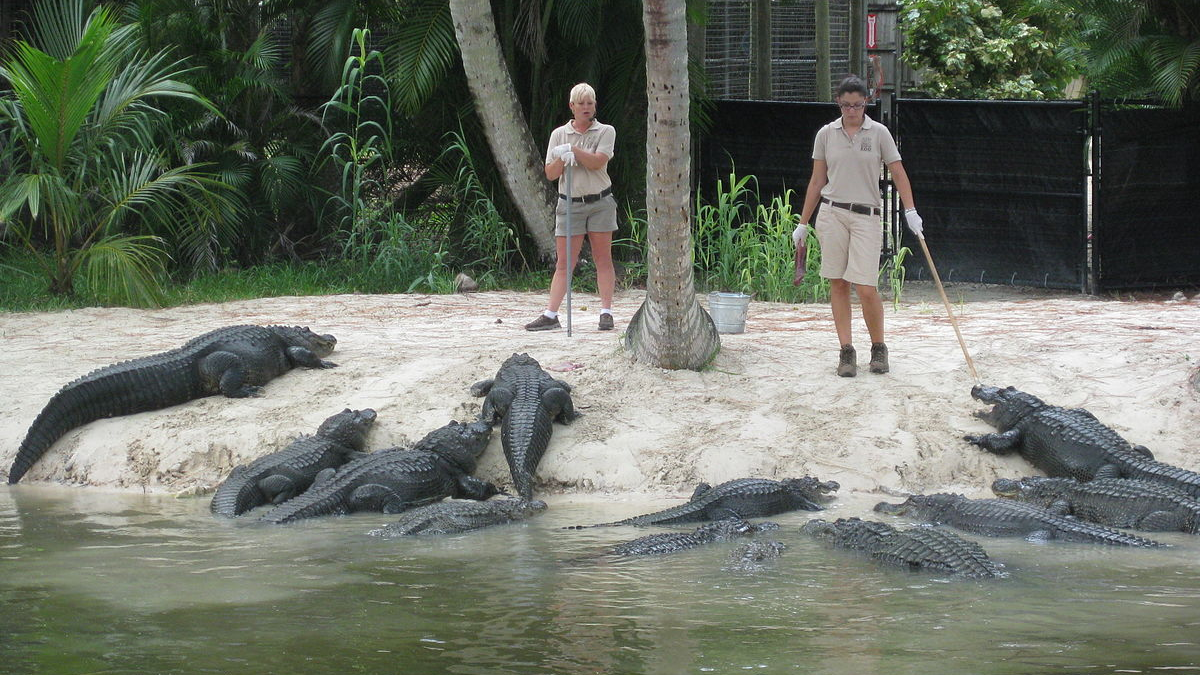
Tim Menzies, CC BY-SA 2.0 https://creativecommons.org/licenses/by-sa/2.0, via Wikimedia Commons.
Zookeeping today is also far more professionalised than many people realise. Many keepers hold degrees in biology, zoology, animal behaviour, or related fields. Most gain experience through internships, apprenticeships, and years of hands-on work. It is not a fallback career for people who “just like animals.” It is a specialised profession that demands physical stamina, emotional resilience, and a tolerance for working weekends, holidays, and in all weather—often for far less pay than the responsibility suggests.
For those who choose it knowingly, however, zookeeping can be deeply rewarding. Few careers offer such direct involvement in animal care, conservation education, and long-term welfare outcomes. The satisfaction does not come from cuddling animals or dramatic moments; it comes from seeing an animal thrive, recover, breed successfully, or simply behave as it should in a well-managed environment.
Modern zoos like to talk about conservation, education, and welfare—and rightly so. But all of those ideals are ultimately delivered on the ground by keepers. They are the ones who translate policy into practice, science into daily routines, and theory into lived reality.
So the next time you visit a zoo and see an animal that looks healthy, engaged, and well-adjusted, remember this: that didn’t happen by accident. It happened because someone showed up early, paid attention, did the work properly, and came back the next day to do it all over again.
That someone was probably a zookeeper.
Written by Soham Mukherjee
 WILDROOST
Leave a comment