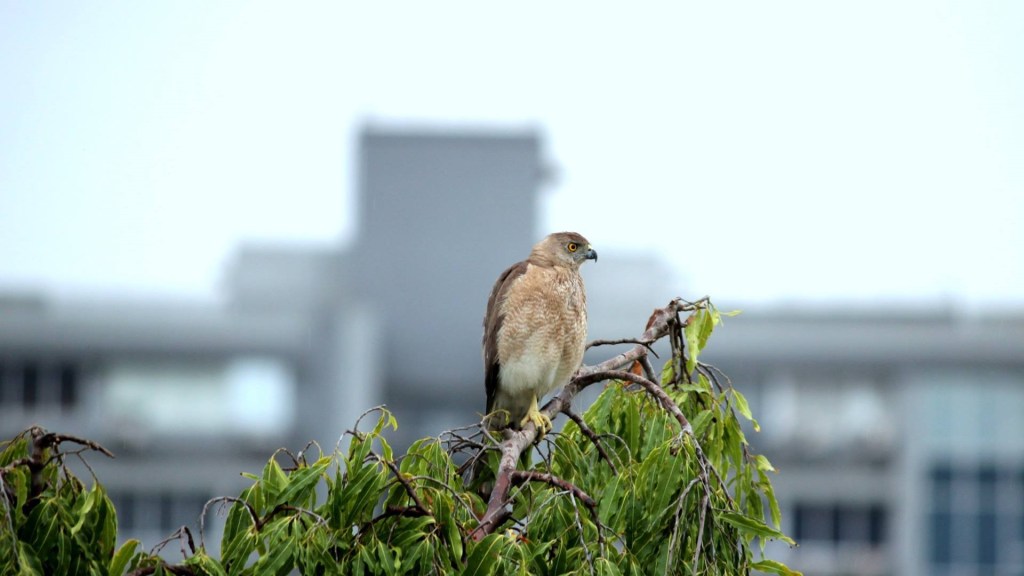
Walk through almost any city, village, or farmland long enough and you’ll notice something quietly reassuring: wildlife is everywhere. Not always the glamorous, poster-species wildlife that dominates conservation conversations—but real, resilient wildlife that has learnt to live with us, around us, and sometimes in spite of us.
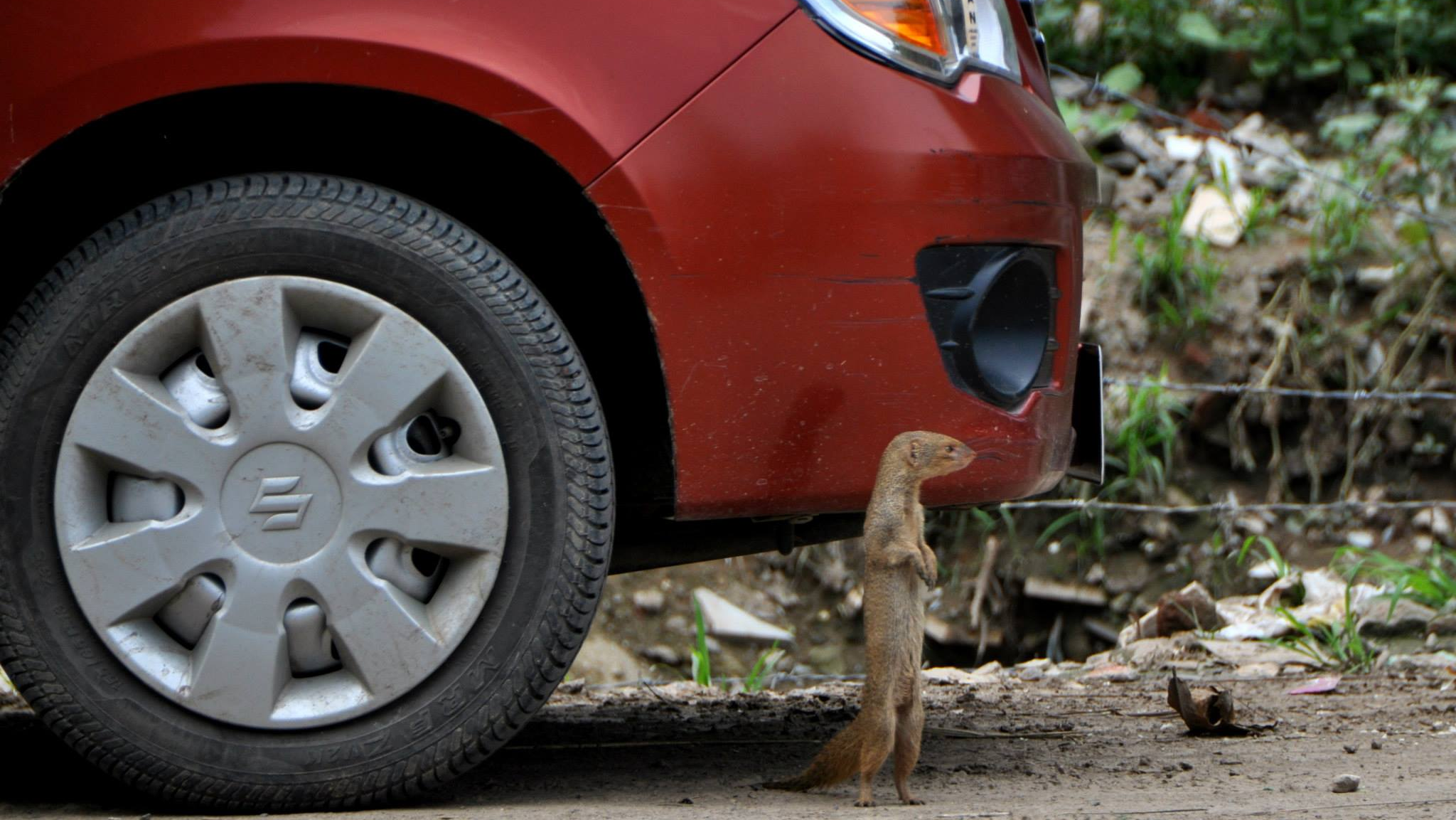
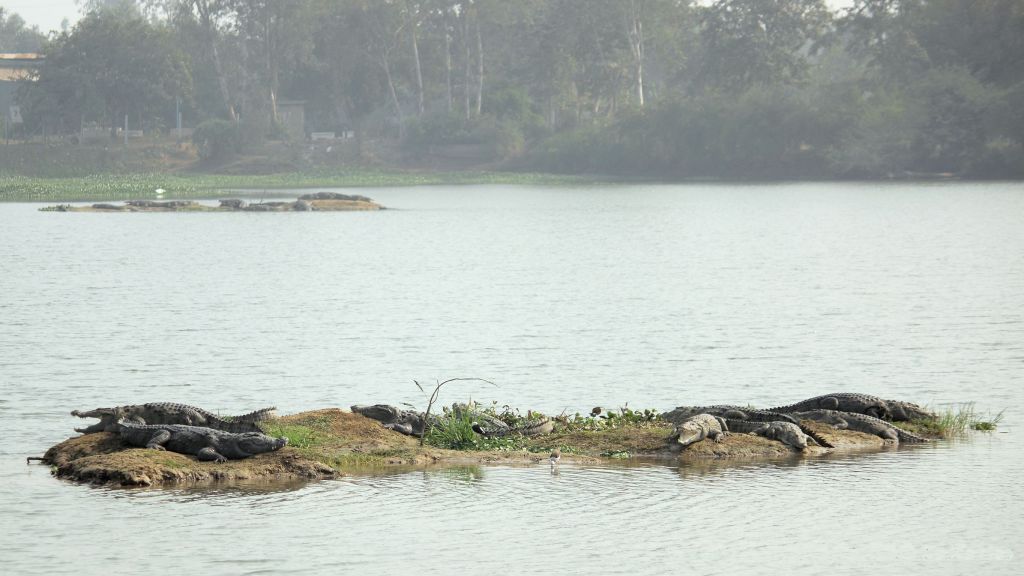
And if you spend enough time watching these animals—whether it’s a mongoose trotting across a street or a crocodile basking in a village pond—you begin to realise that viable habitats don’t always look like the pristine wilderness we imagine. Increasingly, they look like the places we call home.
Ecologists often define viable habitats as places where wildlife can find food, water, shelter, and breeding sites. In theory, that sounds straightforward. In practice, it’s astonishingly complex—because habitats are not just defined by resources, but by how species perceive and use those resources. Some species are remarkably flexible, treating our rearranged landscapes as opportunities. Others are specialists, unable to cope with the fragmentation, noise, or humans themselves.
Rose-ringed parakeets might nest in city parks. Bonnet macaques perch on power lines. Snakes take refuge in gardens. And, occasionally, a crocodile decides a village pond is as good a place as any to settle down.
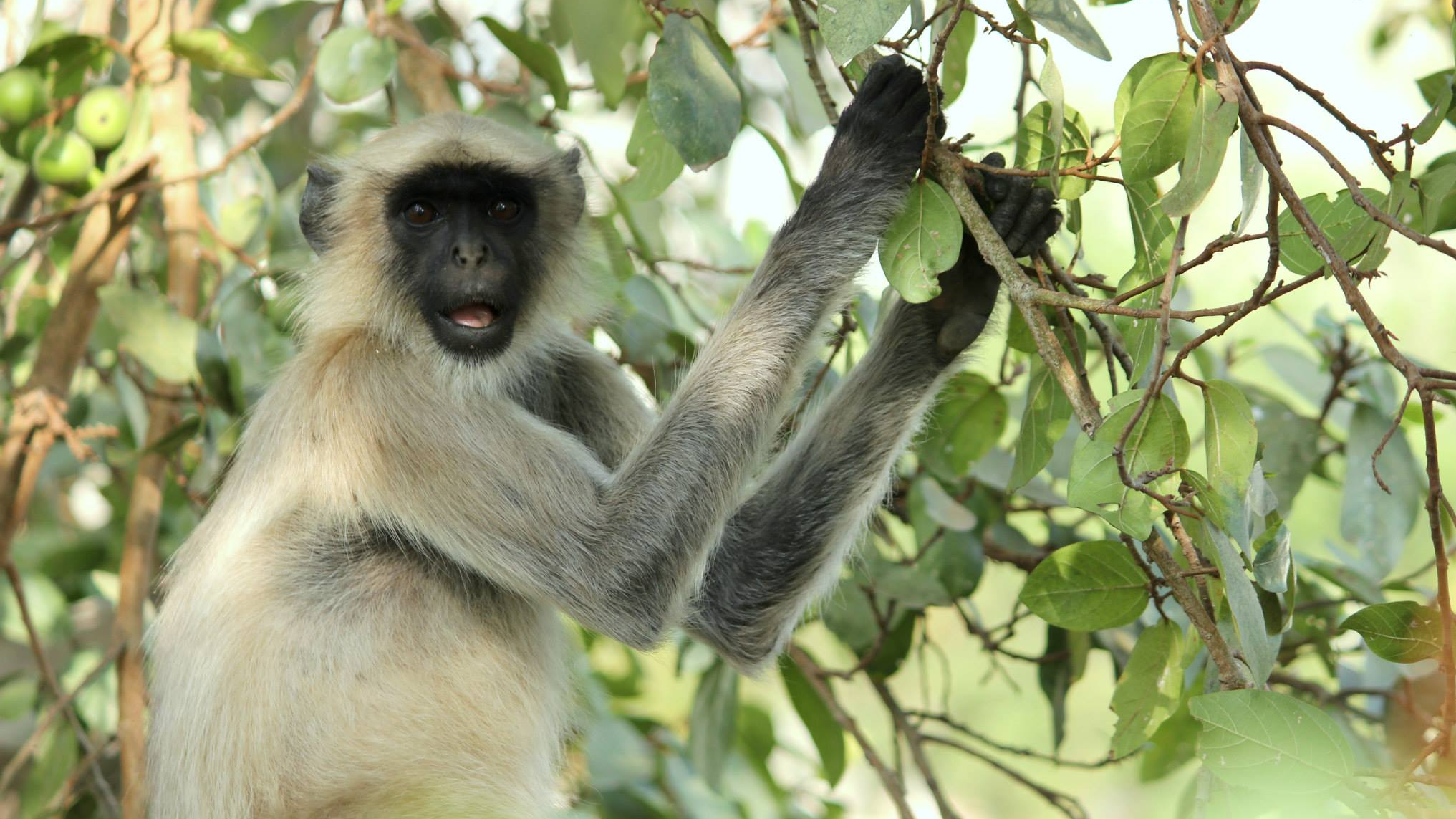
Adaptable species—squirrels, kites, monkeys, pigeons, mongooses, even some snakes and crocodilians—have mastered the art of making human-dominated spaces work for them. They make use of everything we unintentionally offer: food from our waste systems, water from agricultural canals, shelter in concrete crevices, even safety from cultural and religious norms.
These species are often called adapters or exploiters: animals that look at the chaos of urbanisation and shrug, “Alright then, let’s make this work.”
But not all wildlife is built for improvisation. Many species rely on the precise structure of forests, wetlands, grasslands, or microhabitats that are far more fragile than they appear. For them, a shift in land use—urbanisation, intensive farming, industrial expansion—can eliminate viable habitats entirely. These are the avoiders: species that vanish quietly from landscapes where they once flourished, pushed out by changes too rapid or too harsh to adapt to.
And then there are the creatures we hardly notice at all—arthropods, amphibians, small mammals—the ones overshadowed by the celebrity species of conservation campaigns. Yet their ecological roles are indispensable. Spiders regulating insect populations, frogs signalling ecosystem health, small mammals dispersing seeds… they may not make headlines, but they hold landscapes together in ways we often overlook.
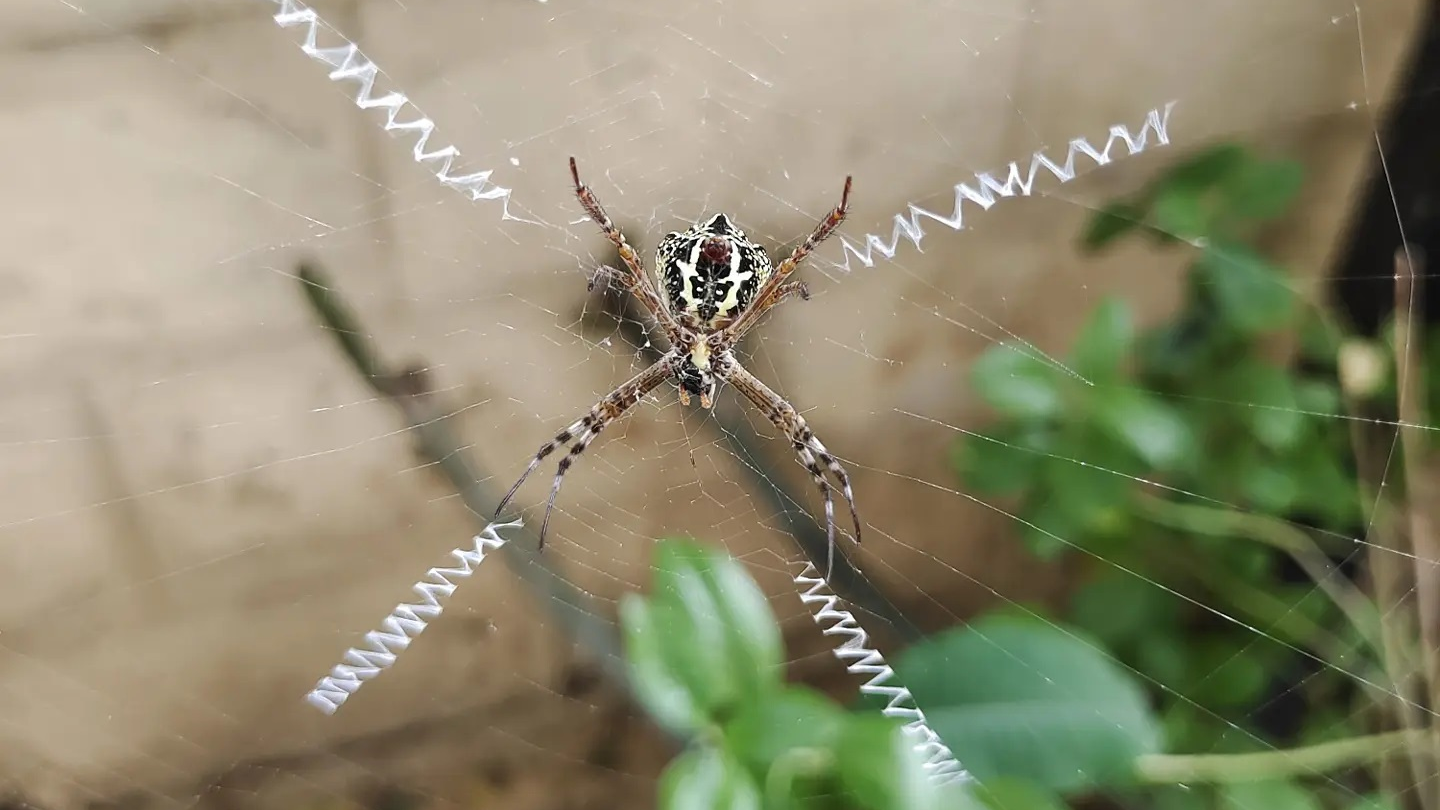
Within human-dominated landscapes, the distribution of wildlife becomes patchy and unpredictable. A species may decline in one area but thrive just a few kilometres away. A bird may abandon a noisy suburb but flourish in a nearby agricultural field. A reptile may disappear from a crowded market area yet persist quietly in backyard gardens no one pays attention to.
This patchwork of presence and absence is shaped by how species interact with the mosaic of resources, risks, and opportunities that our habitats have become.
The challenges aren’t one-directional either. When wildlife shares space with humans—by choice or necessity—conflicts often arise. Predators may prey on livestock. Herbivores raid crops. Snakes end up in homes. Cars and roads create a continuous toll of collisions. And free-roaming domestic animals—dogs, cats, pigs—become unintentional but powerful competitors, predators, and disease vectors.
A viable urban or rural habitat isn’t automatically a safe one.
That’s why proactive management becomes essential:
– creating green pockets and wildlife corridors,
– promoting coexistence education,
– reducing garbage and attractants,
– managing feral animals,
– encouraging sustainable land-use practices like agroforestry and low-impact agriculture.
These measures don’t “fix” landscapes—they guide them toward a balance that allows both humans and wildlife to breathe a little easier.
What’s important to acknowledge—something we often forget—is that there is no landscape on Earth untouched by humans. Not anymore. Even the places we think of as wild are shaped, influenced, or altered by our actions. Which means conservation cannot be about returning to some imagined pristine past; it has to be about intelligently managing the present.
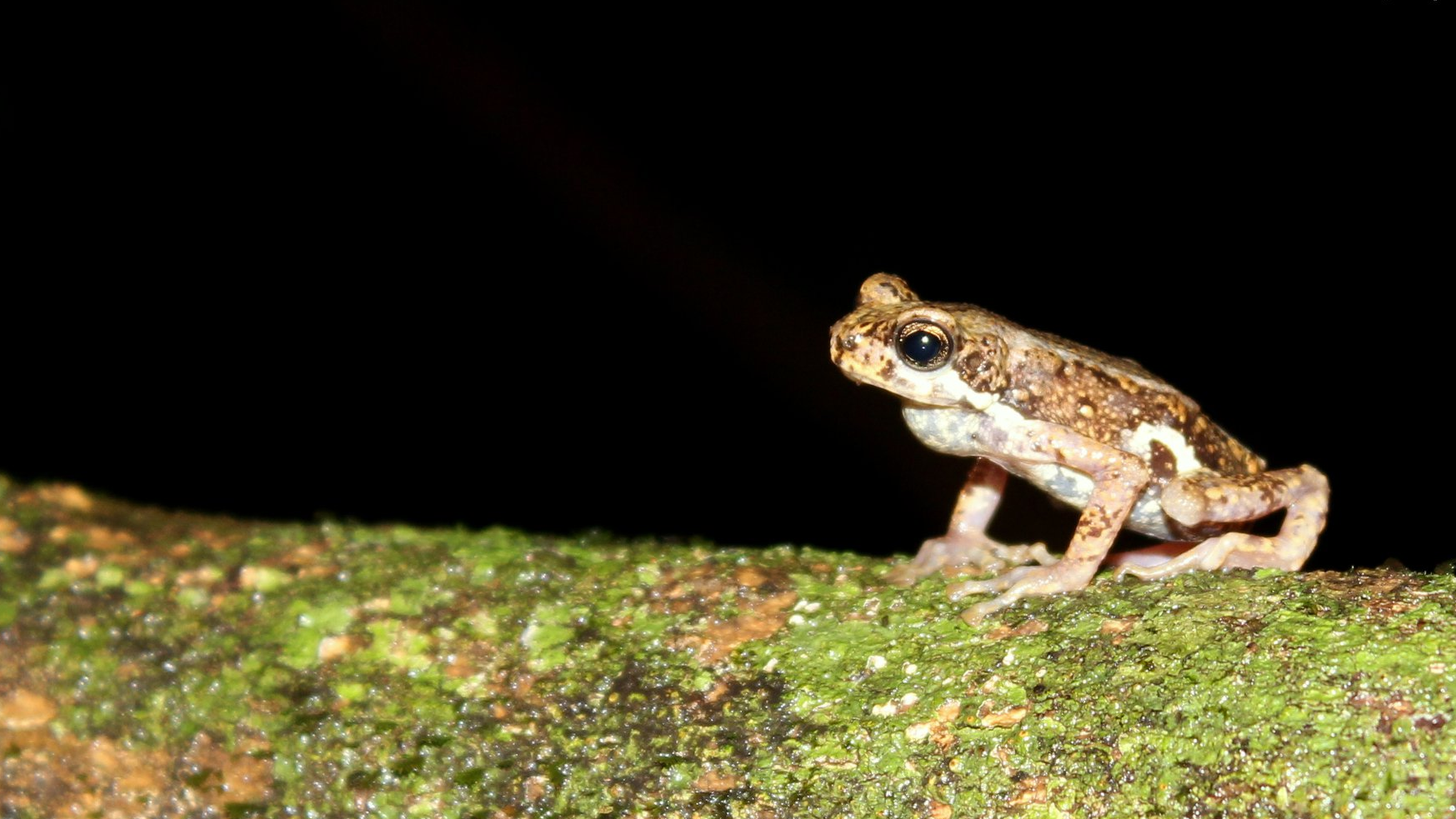
The endangered Malabar tree toad in the Western Ghats doesn’t survive because we leave forests alone—it survives because we actively protect the specific microhabitats it depends on. A mongoose in a city survives because the city, unintentionally, still meets its needs. A crocodile thrives in a village pond because people tolerate its presence. Wildlife persists where conditions allow it to, not necessarily where we believe it “belongs.”
And perhaps the most important reminder of all: it’s not only communities living beside forests, rivers, or national parks who impact wildlife. Every one of us living in comfortable, urban homes is benefiting from land that was once a wild habitat. Wildlife loss is a shared responsibility.
Understanding viable habitats—what species need, how they adapt, how they fail, and how they coexist with us—is at the heart of modern conservation. It forces us to look beyond stereotypes of wilderness and acknowledge the living, breathing ecosystems in our own neighbourhoods.
Because conservation isn’t happening only in reserves and rainforests.
It’s happening in cities, farms, villages, backyards, and sometimes—in the corner of a quiet garden where a spider builds her web.

 WILDROOST
Leave a comment