
A code of ethics is an essential guideline for wildlife rehabilitators, as it sets out the principles and values that should govern their work. The goal of wildlife rehabilitation is to treat and release injured, orphaned, or displaced wildlife back into their natural habitats. However, the process can be complex and challenging, and it is important for rehabilitators to have a clear set of ethical guidelines to follow.
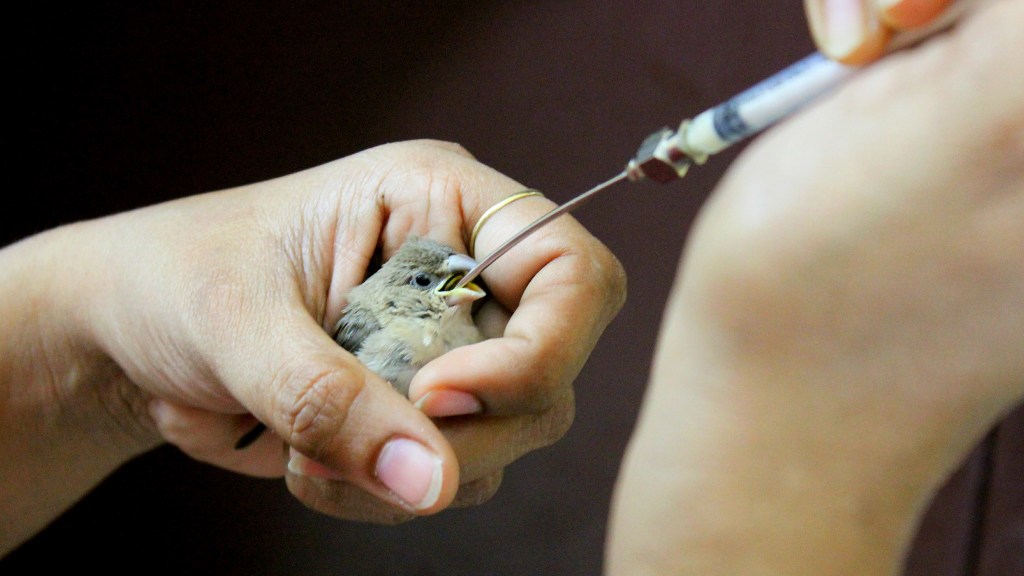
One of the main principles of a code of ethics for wildlife rehabilitators is the welfare of the animals. This means that the well-being of the animals should always be the primary concern, and that rehabilitators should strive to minimize any stress or suffering that the animals may experience while in their care. This may involve providing appropriate food, water, and medical care, as well as ensuring that the animals are kept in appropriate housing that simulates their natural habitat as much as possible.
Another important principle is the principle of non-interference. This means that rehabilitators should avoid interfering with the natural behaviors and processes of the animals, and that they should only intervene when it is absolutely necessary to do so. For example, rehabilitators should avoid hand-rearing wild animals whenever possible, as this can disrupt the natural bond between parent and offspring and may make it difficult for the animals to survive in the wild.
Rehabilitators also have a responsibility to ensure that the animals they release are capable of surviving in the wild. This may involve monitoring the animals for a period of time after release, or providing them with additional support, such as food or shelter, to help them adjust to life in the wild.
A code of ethics for wildlife rehabilitators should also include a commitment to ongoing education and professional development. This means that rehabilitators should stay informed about the latest research and best practices in wildlife rehabilitation, and that they should be willing to learn from others in the field.
In addition, rehabilitators should also be aware of and comply with all local, state and national laws and regulations related to wildlife rehabilitation. This includes obtaining the necessary permits and following established protocols to ensure the safety of both animals and human. It’s important to note that wildlife rehabilitation practices and laws may vary from country to country. In India, the Wildlife Protection Act of 1972 and subsequent amendments govern the rehabilitation and release of wild animals. Rehabilitators should be familiar with these laws and obtain the necessary permits and approvals before proceeding with any rehabilitation or release efforts. Additionally, the Forest Department is responsible for issuing licenses for wildlife rehabilitation centers and monitoring their activities. If the rehabilitation of animals of protected species lasts more than a year, the wildlife rehabilitation center may apply to the Central Zoo Authority for recognition. Rehabilitators should work closely with the Forest Department and other authorities to ensure compliance with all relevant laws and regulations.
Overall, a code of ethics for wildlife rehabilitators is a crucial tool for ensuring that the animals in their care are treated with respect, compassion, and the goal of release back to the wild in mind. It is important that they are aware of their responsibilities and abide by the ethical principles set out in their code of ethics to make sure that the animals receive the care and attention they need.
Guiding Principles of a Code of Ethics for Wildlife Rehabilitators in India
- The welfare of the animals should always be the primary concern
- Strive to minimize any stress or suffering that the animals may experience while in their care
- Provide appropriate food, water, and medical care
- Keep animals in appropriate housing that simulates their natural habitat as much as possible
- Principle of non-interference; avoid interfering with the natural behaviors and processes of the animals
- Avoid hand-rearing wild animals whenever possible
- Ensure that the animals are capable of surviving in the wild before release
- Commitment to ongoing education and professional development
- Stay informed about the latest research and best practices in wildlife rehabilitation
- Comply with all local, state and national laws and regulations related to wildlife rehabilitation
- Obtain necessary permits from State Forest Department and/or Central Zoo Authority, and follow established protocols to ensure the safety of both animals and human.
 WILDROOST
Leave a comment