Zoos tend to trigger strong opinions. People either love them, hate them, or love to hate them—often without having set foot inside a modern one in years. The irony is that while debates rage online about whether zoos should exist, millions of animals continue to exist because they do. Quietly. Without hashtags.
Modern zoos and animal sanctuaries are not relics of an outdated worldview; they are responses to a world that has already changed. Wild habitats are shrinking, fragmenting, and in many cases disappearing altogether. Against that backdrop, the idea that conservation can happen only “out there” in untouched wilderness is comforting—but increasingly unrealistic.
Zoos and sanctuaries operate in the uncomfortable middle ground between idealism and reality. They are not perfect. They are also not optional anymore.
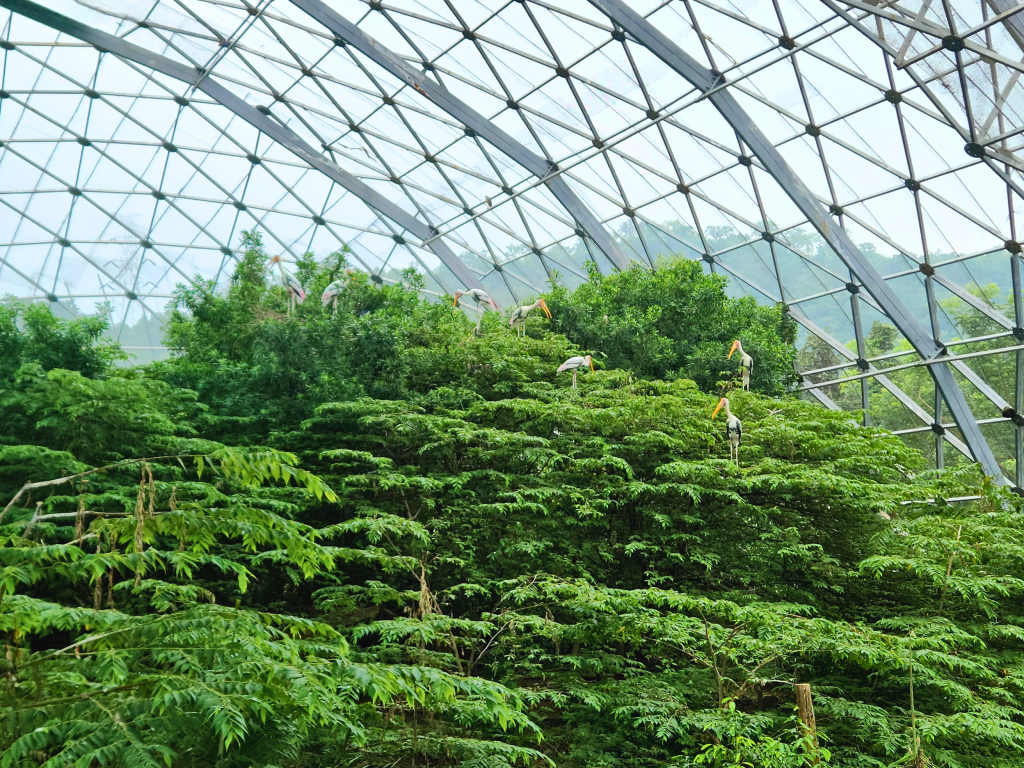
One of the clearest roles of modern zoos is conservation breeding, particularly for species that no longer have secure futures in the wild. This is not theoretical. Species like the California condor, Arabian oryx, Przewalski’s horse, corroboree frog, and several others exist today because zoo-based programmes bought them time—time for habitat protection, research, and, in some cases, reintroduction.
What is often missed in these success stories is that breeding animals is the easy part. The hard part is maintaining genetic diversity, behavioural competence, disease management, and long-term planning across generations. Zoos do this in collaboration with governments, researchers, and international organisations, often working decades ahead of any visible outcome. Conservation is slow, unglamorous, and stubbornly resistant to quick wins.
At the same time, many zoos contribute directly to in situ conservation—funding habitat restoration, monitoring wild populations, supporting local communities, and backing species recovery programmes where animals still have a fighting chance in the wild. This dual approach—working both inside and outside zoo walls—is not a contradiction. It is a necessity.
Zoos are also research institutions, whether they advertise themselves as such or not. Studying animals in managed settings allows scientists to ask questions that would be nearly impossible to answer consistently in the wild: about behaviour, reproduction, nutrition, physiology, cognition, and welfare. These findings don’t stay in journals; they inform field conservation, veterinary protocols, and species management worldwide.
And then there is education—the part everyone assumes they understand.
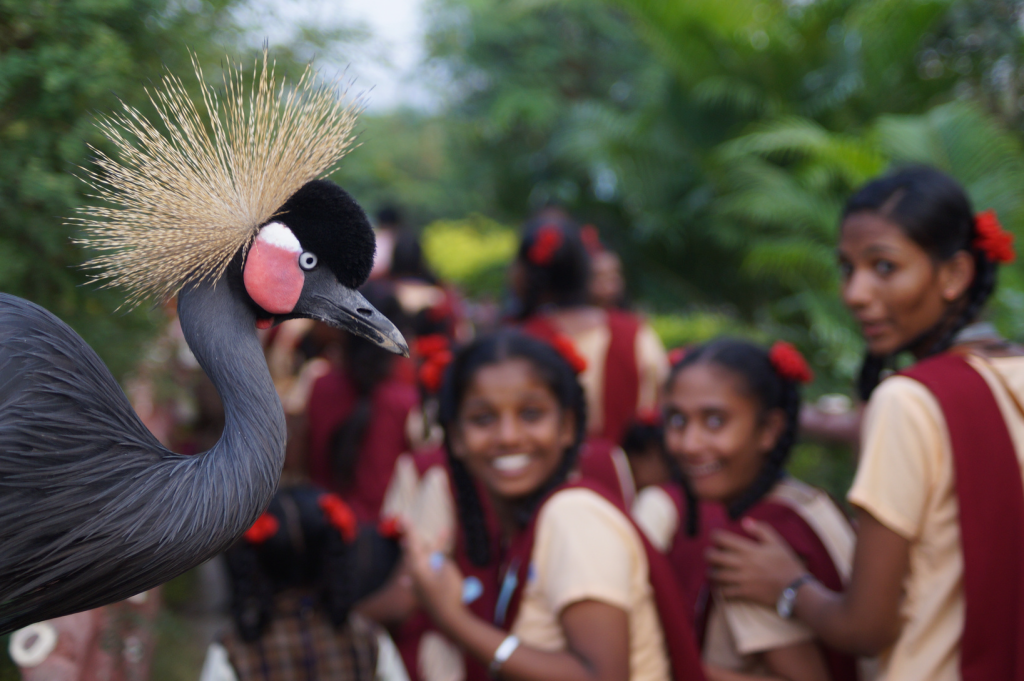
Education in modern zoos is no longer about reading laminated boards and memorising Latin names. It is about experience. Immersion. Context. Seeing animals in environments that resemble their natural habitats, not bare enclosures designed for easy viewing. When done well, this changes how visitors perceive animals—from objects on display to living organisms shaped by ecology, behaviour, and evolutionary history.
Naturalistic exhibits are not aesthetic indulgences. They are educational tools. They show visitors how animals live, not just what they look like. Technology—interactive displays, multimedia, even virtual reality—can deepen this understanding, but only when it supports the story rather than replacing it.
Animal encounters and behind-the-scenes experiences are another double-edged sword. When poorly designed, they become entertainment. When done responsibly, they become powerful learning moments that foster empathy, curiosity, and respect—particularly in children, for whom abstract ideas like “biodiversity loss” mean very little without something tangible to connect to.
Animal sanctuaries operate in a slightly different but equally important space. Their primary role is not breeding or display, but care—often permanent care—for animals that cannot return to the wild. Many of these animals come from situations involving abuse, neglect, illegal trade, or human–wildlife conflict. Sanctuaries absorb the consequences of our collective failures and then quietly get on with the work of repair.
Good sanctuaries prioritise welfare over spectacle. They invest in behavioural management, enrichment, and long-term care rather than constant public visibility. They also play a critical role in education, particularly around compassion, responsibility, and coexistence. For children especially, interacting with ambassador animals in structured, ethical settings can build empathy, emotional intelligence, and an understanding of interdependence that no textbook can replicate.
The scale of influence is often underestimated. Zoo and aquarium associations report hundreds of millions of visitors annually worldwide. Indian zoos alone receive around 90 million visitors every year. That is not a niche audience. That is a significant proportion of the population encountering wildlife—often for the first and only time in their lives.
Most people will never see a tiger in the wild, a crocodile in its natural wetland, or a frog in a disappearing forest. Zoos and sanctuaries are where those connections are formed. And connection matters. People protect what they understand, and they understand what they have experienced.
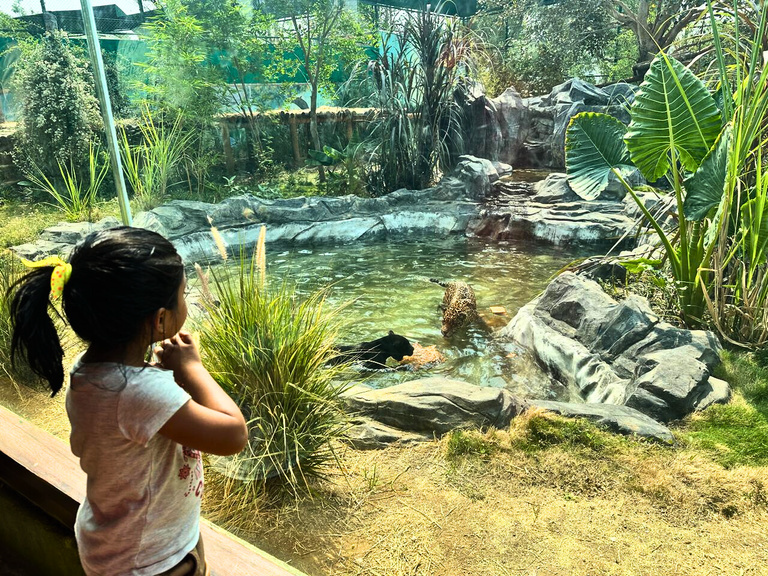
Do zoos and sanctuaries solve all conservation problems? Of course not. Anyone claiming that is either naïve or selling something. But dismissing them outright ignores the reality that conservation today operates in a human-dominated world. These institutions are tools—imperfect, evolving, and necessary tools.
Supporting better zoos and better sanctuaries does not mean abandoning wild conservation. It means recognising that education, research, care, and empathy are part of the same system. It means moving past simplistic arguments and engaging with the messy reality of conservation as it actually exists.
Wildlife conservation is no longer about choosing between nature and people. That choice was made a long time ago. The real question now is whether we manage the consequences responsibly—or pretend they aren’t ours.
Written by Soham Mukherjee
 WILDROOST
Leave a comment