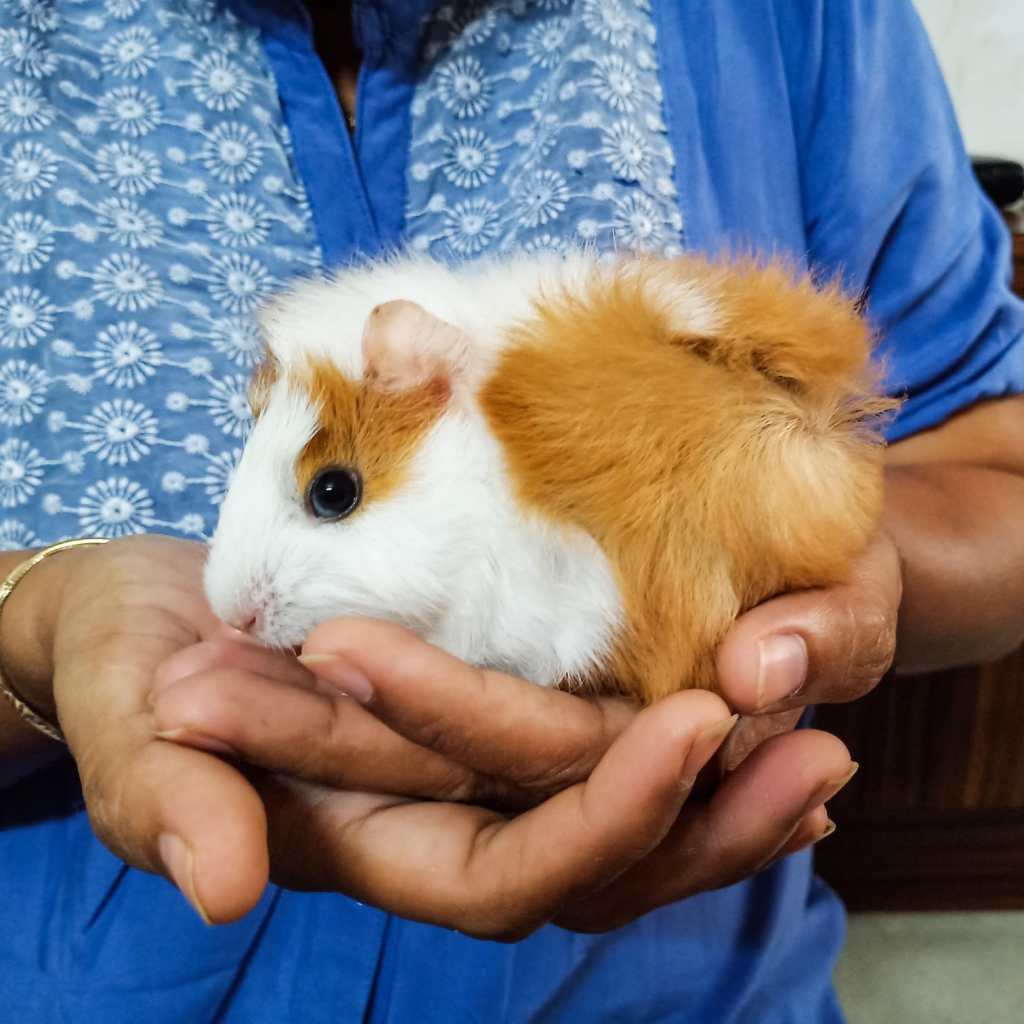
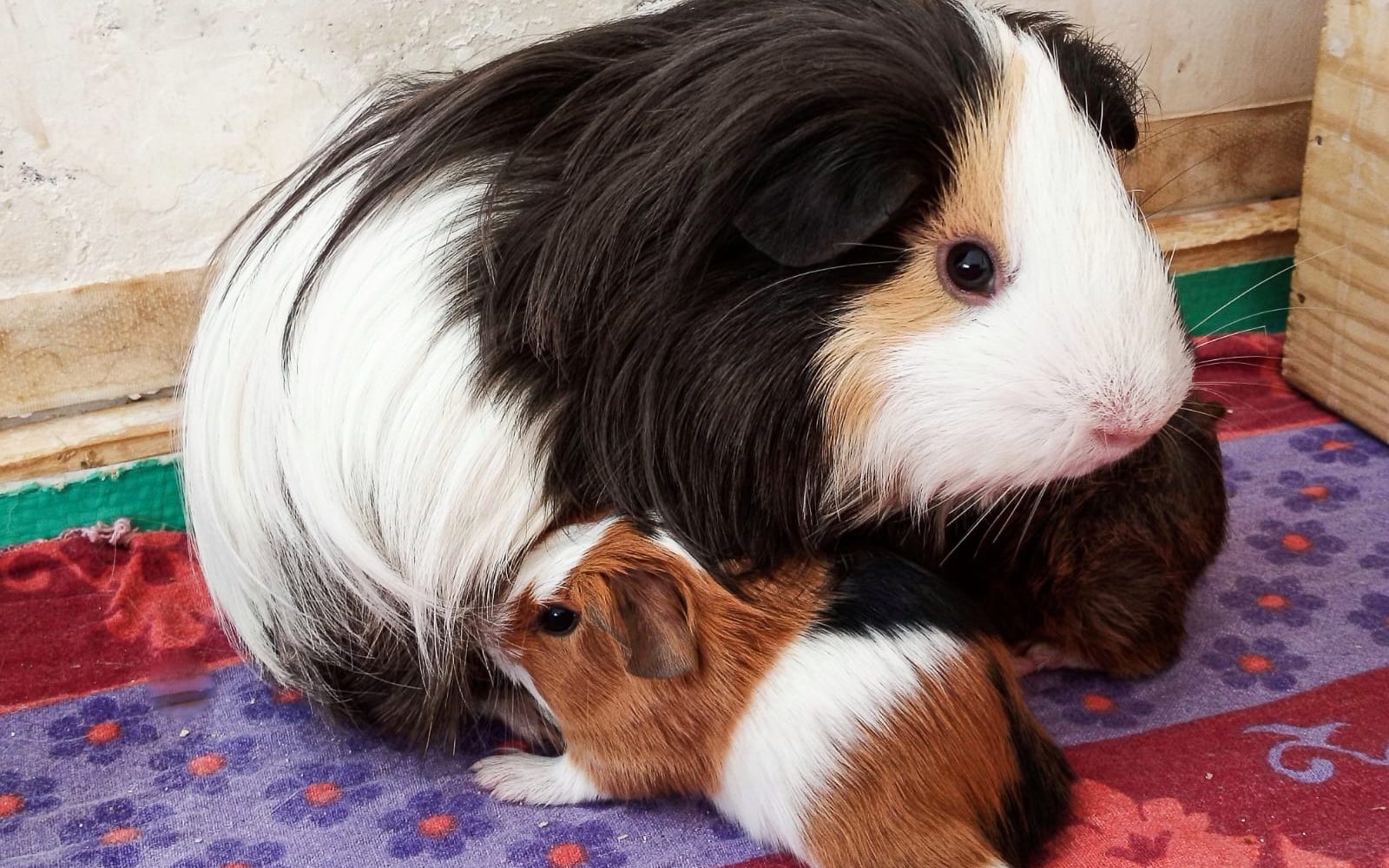
Hand-raising guinea pig babies can be a rewarding experience for those who are willing to invest time and effort into the process. It is important to note, however, that hand-raising guinea pig babies should only be attempted by experienced keepers or individuals who have done extensive research and are prepared for the challenges that may arise.
The first step in raising guinea pig babies is of course to ensure that the mother is healthy and capable of caring for her young. If the mother is unable to care for her babies, or if the babies are orphaned, it is important to step in and provide the necessary care. This includes providing the babies with a warm and safe environment, as well as ensuring that they are fed regularly and receive adequate nutrition.
One of the most important aspects of hand-raising guinea pig babies is feeding. Babies require frequent feedings, often every 2-3 hours, and should be fed a high-quality, specially formulated milk replacer such as Kitten Milk Replacer by Royal Canin. It is also important to monitor the baby’s weight and ensure that they are gaining weight and growing at a healthy rate.
Introducing solid food and weaning are important milestones in the development of hand-raised guinea pig babies. Weaning marks the transition from a milk-based diet to a diet of solid food, and it is a critical time in the baby’s growth and development. The process of introducing solid food and weaning typically begins around 3-4 weeks of age. At this point, the baby’s digestive system is mature enough to handle solid food, and they should be gradually introduced to a variety of different types of food. This includes hay, fresh vegetables, and a high-quality pellet food specifically formulated for guinea pigs.
It’s important to introduce solid food gradually, starting with small amounts and gradually increasing the amount over time. This will give the baby’s digestive system time to adjust and prevent any digestive upset. It’s also important to monitor the baby’s weight and ensure that they are gaining weight and growing at a healthy rate during this transition. When introducing fresh vegetables, it’s important to introduce them slowly and in small quantities, as they may cause digestive upset if fed in large amounts. It’s also important to ensure that the vegetables are fresh and free of pesticides.
When feeding hay, it’s important to provide a good quality hay, such as timothy hay, as it is an important source of fiber for guinea pigs. Hay should always be available to the babies and should be offered in addition to other types of food. As the babies become more accustomed to solid food and their milk intake decreases, it’s important to continue monitoring their weight and overall health. Once they are eating a diet that is mostly solid food, they are considered fully weaned. It’s important to note that not all babies will wean at the same time, and some may take longer to fully transition to a solid food diet. It’s also important to continue providing fresh water and ensure that the babies have access to a good quality hay at all times.
Another important aspect of hand-raising guinea pig babies is socialization. Babies should be handled regularly and exposed to a variety of people, animals, and environments to help them become well-adjusted and social adults. It is also important to provide them with plenty of playtime and opportunities to explore and interact with their environment.
It is also critical to ensure enough cleanliness and sanitation, as well as to assess their overall health and well-being. This includes regular checkups and vaccinations, as well as keeping an eye out for any signs of illness or disease. It is important to do proper research, have proper facilities and be prepared for the hard work and time needed to raise these babies. With proper care and attention, hand-raised cria can grow up to be healthy and happy adults.
 WILDROOST
Leave a comment